


Living with knee or hip arthritis can feel like a constant battle against pain and stiffness that prevents you from enjoying your favorite activities. You might have noticed how bending down to tend to your garden or flowing seamlessly into a yoga pose has become increasingly difficult due to discomfort. Recognizing these early symptoms is more than just a minor inconvenience; it’s a crucial step towards effective management and reclaiming your active lifestyle. Additionally, symptoms in other joints like the foot and ankle should not be overlooked, as arthritis can affect multiple bones and joints, making mobility even more challenging. Scheduling an appointment with a specialist at the onset of symptoms can help address these issues before they escalate.
Early orthopedic interventions for knee and hip arthritis may include non-surgical approaches such as physical therapy, lifestyle modifications, anti-inflammatory medications, and joint injections. In some cases, minimally invasive surgical options like arthroscopy or joint-preserving procedures may be recommended to address the early stages of knee and hip arthritis. For more severe cases, particularly those affecting mobility, knee replacement or other orthopedic surgery might be necessary. It’s important to consult with a board-certified orthopedic specialist to determine the most suitable treatment plan for your condition.
Early Orthopedic Intervention for Knee and Hip Arthritis
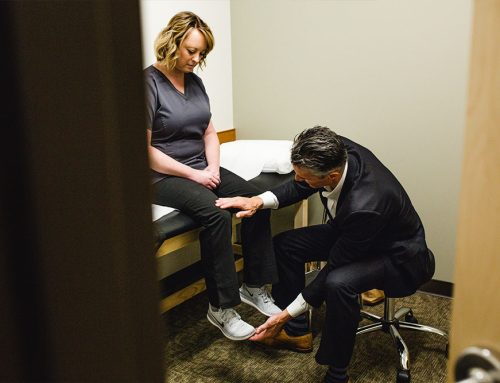
Arthritis can be a debilitating condition, but when detected early, it can be effectively managed. Recognizing the symptoms of knee and hip arthritis at an early stage is crucial; the most common signs include joint pain, stiffness, and swelling. Symptoms in other areas, like the foot and ankle, can also signal arthritis. Although these symptoms might seem mild initially, it’s important not to overlook them. A prompt consultation with an orthopedic specialist upon noticing these signs can make all the difference. Many patients have found relief through early intervention by their doctors, which helps in managing the condition before it worsens. Specialist appointments can identify the nuances of your specific condition and design a treatment plan tailored to your needs.
Detecting Symptoms Early
Occasional joint pain is often brushed off as a normal part of aging or physical activity. However, persistent discomfort, especially when accompanied by swelling and stiffness, could indicate arthritis. Ignoring these early signs might unintentionally delay necessary treatment that could potentially slow or halt the progression of the disease. Consulting with doctors early on allows for timely management. Therefore, being vigilant about your joint health and promptly seeking medical advice upon noticing these symptoms, especially in critical joints like the knee, foot, and ankle, is crucial. Different specialties within orthopedic medicine can offer varying insights and treatments, making it imperative to find a specialist who aligns best with your specific needs.
Diagnostic Tools
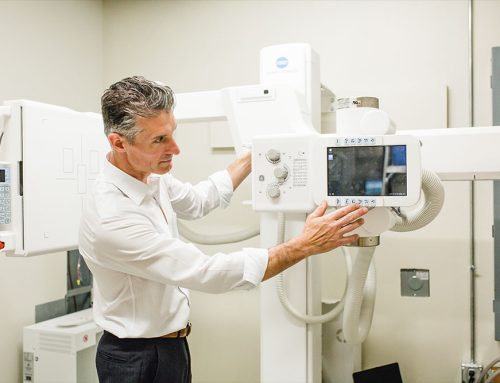
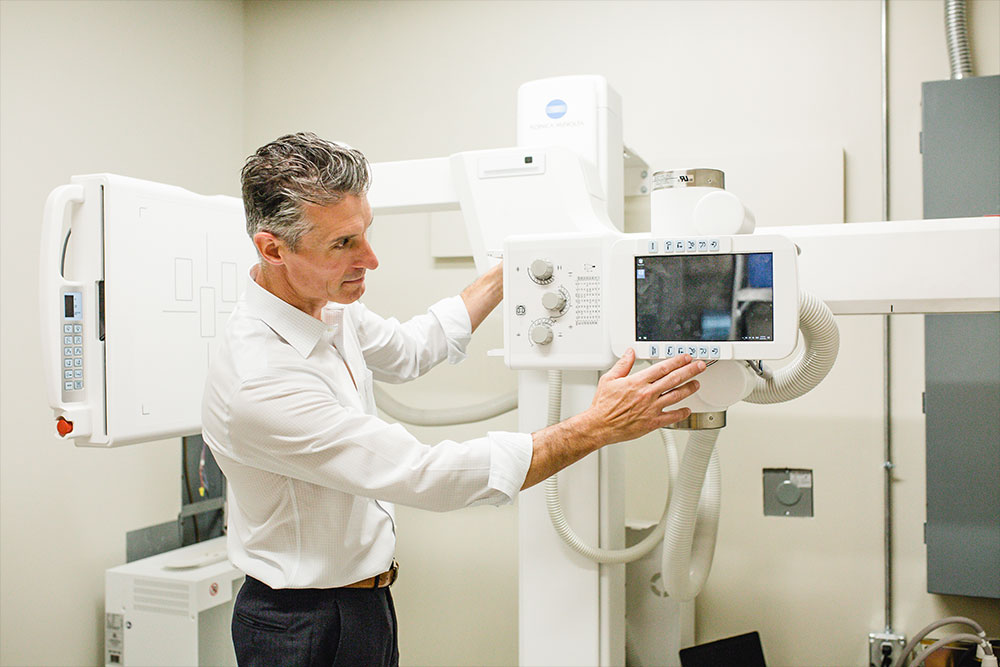
Upon consulting with an orthopedic specialist or a rheumatologist, extensive diagnostic procedures are generally employed to gauge the severity of arthritis and develop an appropriate treatment plan. This usually involves a combination of X-rays, MRIs, physical exams, and possibly blood tests. These diagnostic tools provide valuable insights that guide subsequent interventions, whether they concern the knee, hip, foot, or ankle. Conducting regular patient appointments allows specialists to monitor progress and adapt treatment plans as necessary.
Customized Treatment Plans
With a comprehensive understanding of the patient’s condition through thorough diagnostics, orthopedic specialists can design personalized treatment plans for each individual. This could include medication, physical therapy, and lifestyle adjustments tailored to the unique needs of the patient in order to slow down the progression of arthritis and maintain optimal joint functionality. For some, specialty care might include considering options such as knee replacement or other forms of orthopedic surgery when non-invasive methods no longer suffice.
Early intervention is truly pivotal in managing knee and hip arthritis; by recognizing symptoms early on, utilizing advanced diagnostic tools, such as those found in hospital settings, and following personalized treatment plans, patients can proactively control their condition and preserve their joint health more effectively. By attending regular patient appointments and working closely with their healthcare providers, they can make informed decisions about their care. For more detailed information on early orthopedic interventions, including consultations with experienced surgeons, visit our website.
Preventing Joint Degeneration
Maintaining good joint health requires consistent effort and a commitment to making choices that support well-being. Several lifestyle modifications play a key role in preventing joint degeneration, especially in weight-bearing joints like the knees and hips. Regular visits to an orthopedist can help guide these modifications, enhance recuperation from an injury, and improve outcomes for the patient.
Lifestyle Modifications
A balanced diet rich in nutrients supports joint health. Antioxidants found in fruits and vegetables help reduce inflammation, protecting joints, including ligaments and nerves, from damage. Additionally, omega-3 fatty acids in fish and flaxseeds contribute to joint health. Regular low-impact exercise, such as swimming or cycling, supports joint mobility without placing excessive strain on them. Most importantly, maintaining a healthy weight is crucial, as excess weight places additional stress on the knee and hip joints.
In addition to lifestyle changes, certain supplements and medications are believed to aid in preventing further cartilage breakdown. Glucosamine and chondroitin supplements help maintain the integrity of cartilage and combat inflammation. Over-the-counter anti-inflammatory medications may also provide relief from arthritis-related inflammation. Specialized patient appointments allow for these supplements and medications to be regularly assessed and adjusted as needed. However, it’s essential to consult with an orthopedic specialist before integrating any supplements or medications into your routine. This ensures that your treatment aligns with your health state and respects your rights as a patient to receive appropriate and effective care.
Regular Check-Ups
Frequent visits to an orthopedic specialist for joint health evaluations are vital for catching early degenerative changes in ligaments and preventing worsening conditions. These check-ups allow for the monitoring of joint health and the implementation of timely interventions if any issues are detected. Early detection often holds the key to successfully managing joint conditions, a right that every patient possesses in maintaining their optimal health state.
By focusing on these preventive measures and availing the services of experienced orthopedists, one can significantly reduce the risk of debilitating joint conditions while promoting overall well-being—a testament to the power of proactive care in safeguarding our precious joints for years to come. This approach underscores the importance of individuals exercising their rights to comprehensive medical evaluations and timely treatments.
Effective Non-Surgical Treatments
When dealing with knee and hip arthritis, non-surgical treatments can offer significant relief from pain and improvement in mobility, particularly in the early stages of arthritis. These treatments can help to delay or even eliminate the need for surgical intervention from an orthopedist. Let’s explore some key non-surgical interventions available at specialized hospitals and clinics that respect your health rights.
Physical Therapy
Physical therapy is incredibly valuable when it comes to managing knee and hip arthritis. Regular sessions with a physical therapist, under the guidance of an orthopedist, can improve joint mechanics, strengthen muscles around the affected joints, and provide better support while reducing pain. Through targeted exercises and manual therapy, physical therapists can help patients enhance their range of motion, build muscle strength, and improve overall joint function. During physical therapy sessions, patients learn specific exercises to address their individual needs. These exercises are designed to alleviate pain, improve flexibility, and enhance joint stability. People often find that consistent physical therapy appointments can lead to better long-term outcomes. Your state of health significantly improves with these tailored sessions.
Injections
Another popular non-surgical treatment option for knee and hip arthritis involves the use of injections. Corticosteroid injections offer relief by reducing inflammation around the affected joint and alleviating pain and swelling. Similarly, hyaluronic acid injections provide lubrication to the joint, significantly reducing discomfort and enhancing joint mobility. These treatments are typically administered in an outpatient setting, often at specialized ortho clinics or hospitals, where the service includes detailed consultations and follow-up appointments to monitor progress. It’s important to note that while these injections can provide significant relief, they are not permanent solutions.
Assistive Devices
When managing knee and hip arthritis, assistive devices play a crucial role in improving mobility while reducing the stress placed on arthritic joints. Braces, canes, or other assistive devices are designed to offload stress from arthritic joints, helping individuals move with greater comfort and stability. For instance, knee braces can provide added stability to the knee joint while reducing strain during activities such as walking or climbing stairs. Similarly, using a cane can help distribute body weight more evenly, relieving pressure from the affected hip joint and facilitating smoother movement. Always discuss with your ortho specialist to address any questions about the best assistive device for your condition, ensuring your health rights are upheld in pursuing optimal mobility and a better quality of life.
By integrating these non-surgical treatment options into a comprehensive arthritis management plan, individuals can experience improved pain relief, enhanced joint function, and a better overall quality of life without resorting to surgery at earlier stages of knee and hip arthritis. Regular ortho appointments with physicians can help track your progress and make necessary adjustments to your treatment plan based on medical reviews and ongoing assessments.
Therapeutic Exercises for Knee & Hips
Regular exercise is crucial for maintaining the health and functionality of the knee and hip joints. While it may be tempting to rest, staying active has consistently proven to foster better joint health in the long run. Low-impact aerobic exercises like swimming, cycling, and walking are particularly effective for individuals with knee and hip arthritis. These activities provide a solid workout for the heart and lungs while being gentle on the joints. For instance, swimming’s buoyancy reduces joint impact, making it an ideal exercise commonly recommended by physicians.
- Swimming: The resistance of water provides an overall muscle-strengthening workout without straining the joints.
- Cycling: This exercise helps maintain joint mobility and build muscle strength around the knees and hips. It is often highly recommended in medical reviews for arthritis management.
- Walking: It’s simple yet incredibly effective. Regular walks can help maintain joint flexibility and strengthen supporting muscles, a practice likely to benefit all members of the family looking to stay active.
Additionally, strength training exercises are crucial for stabilizing affected joints. Focusing on building muscle strength around the knee and hip can significantly alleviate symptoms.
- Leg lifts: These exercises strengthen crucial muscles for knee and hip support.
- Resistance band workouts: They gently activate various muscle groups around the joints, aiding stabilization.
Flexibility exercises like yoga and Pilates are highly effective in managing knee and hip arthritis by improving range of motion, reducing stiffness, enhancing balance, and alleviating pain. Incorporating these therapeutic exercises into your routine can result in increased joint mobility, reduced pain, improved balance, and enhanced overall quality of life for individuals managing knee and hip arthritis. Make sure to keep regular appointments with your ortho specialist to ensure that your regimen is effective and tailored to your specific needs.
Understanding Joint Replacement Surgery
In joint replacement surgery, damaged cartilage and bone are skillfully removed and replaced with prosthetic components. The aim is to restore the natural movement and function of the affected joint, thereby reducing pain and increasing mobility. It’s important to note that the success rates for this procedure are strikingly high—more than 90% of patients experience substantial pain relief and improved joint function after undergoing joint replacement surgery. The prosthetic components utilized in these surgeries are designed to mimic the natural movement of the joint, offering a significant boost to overall comfort and functionality. Frequent follow-ups and consultations with both your primary care provider and orthopedic surgeon ensure the best possible results post-surgery.
Many people with knee or hip arthritis have had their lives completely changed by joint replacement surgery, which has allowed them to resume an active lifestyle that was previously impossible due to chronic pain and limited mobility. The prosthetic components utilized in these surgeries are designed to mimic the natural movement of the joint, offering a significant boost to overall comfort and functionality. Moreover, advancements in surgical techniques, materials, and implant designs have contributed to improved outcomes, making joint replacement surgery an increasingly reliable solution for those grappling with severe arthritis-related symptoms.
Post-Surgery Recovery
Following joint replacement surgery, a dedicated focus on physical rehabilitation is imperative to rebuild strength, flexibility, and range of motion. While the recovery timeline varies from person to person, most patients can anticipate resuming their normal activities within several months post-surgery. During the post-surgery phase, consistent rehabilitation efforts bolster gradual improvement in joint function. Patients often observe an upward trajectory in their physical capabilities over the course of a year as they diligently adhere to prescribed rehabilitation protocols. For some individuals who have undergone joint replacement surgery, the transformation is remarkable; what began as enduring discomfort and compromise eventually gives way to a return to long-lost activities such as hiking or dancing.
It’s vital for patients to stay committed to their physical therapy sessions and gradually reintegrate activities into their lifestyles under the guidance of their orthopedic care team. By doing so, they pave the way for sustained recovery and enjoy renewed freedom of movement. By visiting Dr. Daniel Possley’s Clinic, individuals can gain invaluable insights into joint replacement surgery and explore various effective orthopedic treatment options tailored to their specific needs.
Early intervention for knee and hip arthritis through viable treatment options like joint replacement surgery paves the way for a more active and pain-free lifestyle. If you or someone you know is seeking effective orthopedic solutions, don’t hesitate to reach out to Dr. Daniel Possley’s Clinic for expert assistance.


Leave A Comment