

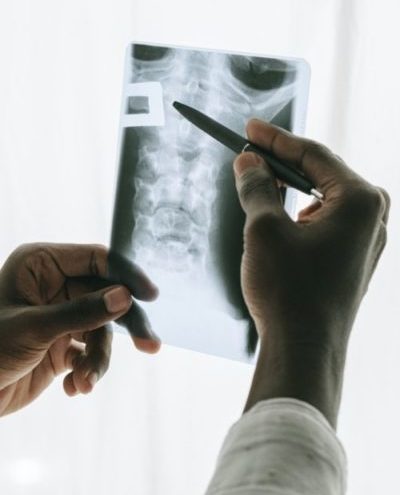
Scoliosis affects millions, creating not just physical challenges but also emotional worries. For those grappling with this condition or supporting someone who does, understanding the pivotal role of spine surgeons becomes essential. These medical experts don’t just perform surgeries; they begin with careful evaluations to determine whether an operation is necessary.
Spine surgeons play a crucial role in treating scoliosis by assessing the severity of the curvature, determining the appropriate treatment approach, which may include corrective surgery for more severe cases, and providing postoperative care to ensure optimal recovery and long-term spinal health. It’s important to consult with a qualified spine surgeon to discuss personalized treatment options tailored to your specific condition.
What is Scoliosis?
Imagine your spine as a tall, straight tower that supports your entire body. Imagine that tower suddenly curving to the side, creating an “S” or “C” shape instead of standing tall and straight. That’s essentially what happens with scoliosis, where the spine abnormally curves sideways rather than maintaining its normal straight alignment. The severity of this curvature can vary greatly, ranging from barely noticeable to having a much more pronounced impact on a person’s posture and overall appearance.
Scoliosis usually appears during childhood or adolescence. The most common type of scoliosis is idiopathic, meaning the cause is unknown, and it accounts for about 80% of all cases. Early detection is crucial, as it enables timely intervention and treatment. However, other potential causes and risk factors are associated with scoliosis development. These include congenital spine deformities, neuromuscular issues such as muscular dystrophy or cerebral palsy, genetic conditions, and instances where scoliosis is present at birth due to abnormalities in the formation of the spine.
Identifying underlying conditions or genetic factors that contribute to the development of scoliosis can be crucial for determining the best course of treatment. This underscores the importance of accurate diagnosis and comprehensive assessment by medical professionals specializing in spinal conditions.
Diagnosing and Evaluating Spinal Curves
Diagnosing scoliosis is a multistep process that begins with an extensive physical examination. The spine surgeon carefully assesses the alignment of the spine and looks for any asymmetries in the shoulders, waist, and hips. This allows them to identify any irregularities or deviations from the normal curvature of the spine, building a comprehensive understanding of the patient’s condition.
Imaging Studies
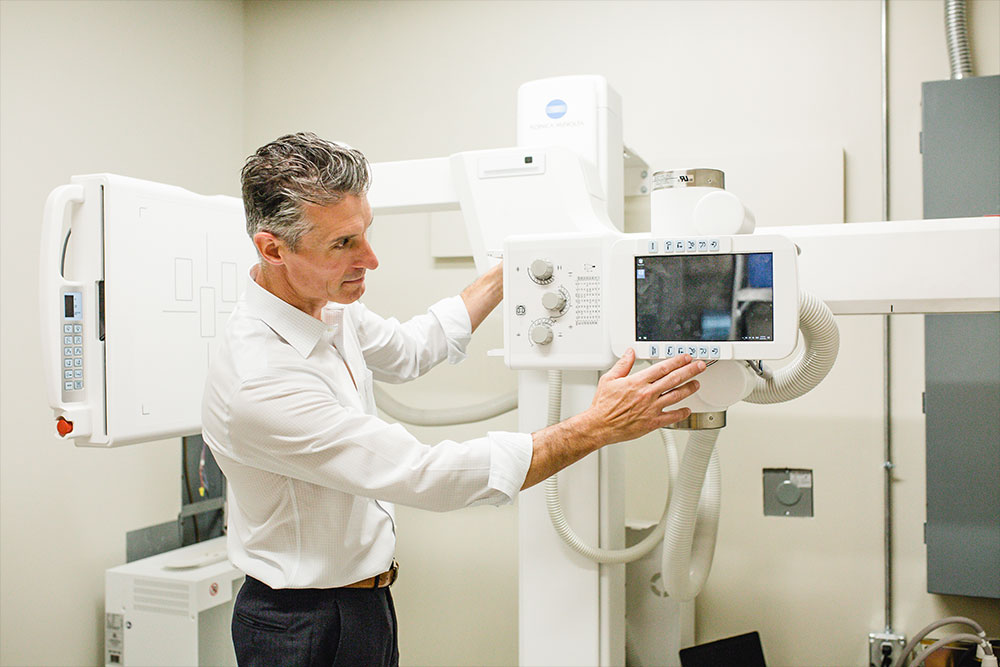
After completing the initial assessment, imaging studies play a crucial role in further evaluating spinal curves and confirming the diagnosis. Techniques such as X-rays, MRIs, or CT scans provide detailed visuals of the spine, allowing for a more comprehensive analysis of the degree of spinal curvature. One particular measurement frequently referenced in diagnosing scoliosis is the Cobb angle, which quantifies the severity of the curve. A Cobb angle greater than 10 degrees typically indicates the presence of scoliosis, but certain conditions may require additional evaluation to confirm.
Consider this like using a protractor to measure angles in geometry class; it involves plotting two intersecting lines on an X-ray image of the spine and then measuring the angle they form. These diagnostic techniques not only provide a visual representation of the spine’s condition but also aid in risk assessment. The surgeon takes into account various factors, such as the patient’s age, family history, and growth potential. By thoroughly evaluating these risk factors, surgeons can effectively plan and tailor treatment strategies to meet each patient’s specific needs.
The diagnostic process provides essential insights that guide spine surgeons in developing personalized treatment plans to address each patient’s unique circumstances. Understanding how these diagnostic steps influence treatment decisions is key to providing effective care for individuals with scoliosis.
Non-Surgical Treatment Options
Several non-surgical treatment options aim to halt curve progression, manage symptoms, and improve quality of life when managing scoliosis. These non-invasive approaches can be highly effective, particularly in patients with mild to moderate scoliosis. Let’s explore some of these non-surgical treatment techniques.
Bracing: A Shield for the Spine
For patients with mild to moderate scoliosis, braces serve as a supportive shield for the spine. Studies have shown that consistently worn bracing can halt curve progression in 70%–80% of patients. By providing external support and stability, braces help prevent the spinal curve from worsening and may even reduce the curvature over time. Each patient receives these specially designed braces, which are essential for managing scoliosis without surgery.
Physical Therapy: Strengthening for Stability
Various exercises focusing on muscle strengthening and flexibility are crucial in managing scoliosis. Techniques such as the Schroth Method have effectively reduced spinal curvature and improved posture. Through targeted exercises, physical therapy aims to strengthen specific muscles around the spine, promoting better alignment and improved stability. Patients will work with a physical therapist to develop a tailored exercise regimen that addresses their unique needs, contributing to better posture and overall spinal health.
Pain Management: Alleviating Discomfort
Pain associated with scoliosis can significantly impact a patient’s quality of life. It’s important to explore various pain management techniques that can alleviate discomfort and improve daily function. Over-the-counter pain relievers, physical therapy, and other pain management techniques are essential in improving quality of life for those with scoliosis. By addressing pain symptoms effectively, patients can experience enhanced mobility, decreased discomfort, and an overall improvement in their daily activities.
Non-surgical treatment options significantly manage scoliosis by addressing curve progression, promoting spinal stability, and improving overall comfort. These conservative approaches offer patients valuable tools to maintain their spinal health and enhance their quality of life without surgical intervention.
Advanced Surgical Techniques
When it comes to advanced surgical techniques for treating scoliosis, spinal fusion surgery stands out as a common and highly effective method. This procedure involves fusing the vertebrae together to prevent further curvature. Understandably, the success rate for this surgery is notably high, with most patients experiencing a significant reduction in spinal curvature.
The remarkable success of spinal fusion surgery has made it a go-to option for many patients, particularly those with severe or progressive scoliosis. This procedure can alleviate pain and improve overall function by preventing further curvature and stabilizing the spine. While the procedure offers significant benefits, it does involve a longer recovery time compared to some of the newer minimally invasive options.
Vertebral body tethering (VBT) is one of the emerging minimally invasive options under investigation. This technique is up-and-coming for younger patients, aiming to correct the curve while preserving spinal flexibility. Unlike traditional fusion surgery, VBT allows for greater mobility and future growth, making it an appealing option for adolescents and young adults with scoliosis.
The integration of robotic-assisted surgery has revolutionized spinal procedures by enabling greater precision and enhancing surgical outcomes. Robotic systems allow surgeons to perform highly intricate movements with enhanced accuracy, thereby reducing the risk of complications and improving patient recovery times. These advanced techniques are often available at specialized centers that prioritize innovative approaches to scoliosis treatment.
It’s evident that advancements in surgical techniques have greatly expanded treatment options for scoliosis, offering more tailored approaches that cater to individual patient needs. From traditional spinal fusion surgery to cutting-edge robotic-assisted procedures, these advancements continue to redefine the landscape of scoliosis treatment, ultimately improving patient outcomes and quality of life.
Surgeon’s Role in Patient Recovery
Once the surgery is complete, the surgeon’s responsibilities extend into the patient’s recovery journey. Surgeons play a crucial role not only in the operating room but also in monitoring the healing process and effectively managing every aspect of patient recovery. Let’s dive into the essential components of a surgeon’s role in patient recovery following scoliosis surgery.
Post-Operative Care
After surgery, the surgeon must monitor the initial phase of recovery closely. This includes overseeing wound care, effectively managing pain, and prescribing a personalized physical therapy regimen. By actively addressing these factors, the surgeon can ensure that the patient is on track for a smooth and successful recovery. Regular follow-up appointments are essential during this stage to assess progress and make any necessary adjustments to the treatment plan.
Pain management is particularly significant during this period. The surgeon carefully tailors the pain management plan to alleviate discomfort while ensuring the patient’s safety. Additionally, wound care involves diligently preventing infection and promoting proper healing. By monitoring these aspects closely, the surgeon can mitigate potential complications, facilitating a more comfortable and efficient recovery process for the patient.
Rehabilitation Protocol
An effective rehabilitation protocol enables the patient to resume their normal activities gradually. Surgeons work closely with physical therapists to customize rehabilitation programs that facilitate mobility while safeguarding the surgical site. The design of these programs gradually reintroduces activities, gradually enhancing the patient’s strength and flexibility. By adhering to a well-structured rehabilitation protocol, patients can look forward to regaining their functionality and returning to their daily routines within a period of 3-6 months post-surgery.
This phase focuses on building strength while ensuring the protection of the surgically treated area. Physical therapists employ techniques aimed at enhancing range of motion and muscle strength without compromising spinal stability. The collaborative efforts of the surgeon and physical therapy team in designing and monitoring this personalized regimen contribute significantly to the overall success of the patient’s recovery.
Emotional Support
We cannot overlook the emotional impact of scoliosis and its treatment. Many patients require psychological support to navigate through the recovery process and cope with living with scoliosis. Surgeons often collaborate with mental health professionals to provide comprehensive care that addresses not only the physical aspects but also the emotional well-being of their patients.
This collaboration serves as an invaluable resource for patients as they grapple with emotional challenges during their recovery journey. By fostering this multi-disciplinary approach, surgeons actively contribute to promoting holistic well-being, recognizing that emotional support is an integral part of comprehensive healthcare.
The role of spine surgeons in guiding patients through robust postoperative care protocols alongside tailored rehabilitation plans underscores their commitment to ensuring not only physical recovery but also emotional well-being during every phase of the recovery process.
Long-Term Outcomes and Patient Stories
The effectiveness of any treatment can be best measured by its long-term impact. Scoliosis surgery is no different. Continuous follow-up appointments are crucial to assessing the long-term success of the treatment. These appointments serve as checkpoints to monitor progress, identify potential complications, and ensure the patient adjusts well post-surgery. Long-term monitoring offers valuable insight into how the patient’s condition is evolving over time, providing essential data that guides further treatment decisions. Many patients reported improved quality of life and reduced pain after surgery, underscoring the positive impact of a successful intervention.
Gathering success stories from individuals who have undergone scoliosis treatment offers a glimpse into the potentially life-changing effects of successful interventions. Hearing these stories can inspire hope in others facing similar challenges and uncertainties about their scoliosis journey. It’s common to come across patients with severe scoliosis who have defied the odds to achieve significant academic and career milestones. Their accounts serve as powerful testimony to the transformative effects of effective scoliosis treatment, emphasizing the profound impact it can have on one’s life trajectory.
Examining these long-term outcomes and patient stories gives one a deeper understanding of how effective scoliosis treatment can profoundly impact a person’s life in more ways than one. Understanding the profound impact of effective scoliosis treatment on a person’s life is crucial. Whether you’re seeking treatment for yourself or a loved one, it’s essential to consider all aspects of long-term care when making decisions about scoliosis management.
To learn more about Dr. Daniel Possley’s approach to treating scoliosis, visit our website or call us at 303-673-1390.


Leave A Comment