


When we think about maintaining our physical health, the focus often lands on exercise and diet. However, many forget about an equally important piece of the puzzle: joint health. Our joints carry us through daily activities, from walking to playing sports. When they hurt, our entire lives can feel affected. That’s where orthopedic specialists come in. These healthcare professionals are trained specifically to understand and treat issues related to our bones and joints. In this article, we’ll explore why seeing an orthopedic specialist is crucial for anyone experiencing joint pain or discomfort. Together, we’ll unfold the significance of these experts in enhancing mobility and recovery for a healthier, more active life.
Orthopedic specialists are essential for joint health because they possess the expertise needed to diagnose and treat various musculoskeletal conditions, particularly those affecting the joints, such as arthritis. Their advanced treatment options can significantly improve mobility and quality of life for individuals experiencing joint pain or injury, enabling timely access to both conservative and surgical interventions when necessary.
Why Orthopedic Specialists Are Essential for Joint Health
Orthopedic specialists not only possess profound knowledge about musculoskeletal conditions, but they also provide tailored solutions designed specifically for each patient’s unique situation. Their understanding of complex conditions goes beyond basic treatment; it paves the way for personalized care plans that can significantly improve overall outcomes, especially for those suffering from persistent joint pain. Consider that nearly 27 million Americans are affected by osteoarthritis alone, highlighting how crucial these experts are in combating widespread issues.
Expert Knowledge
Expertise is a hallmark of orthopedic specialists. Their ability to diagnose and treat diverse musculoskeletal problems sharply contrasts with general practice. For instance, Dr. Janet Roberts, a highly regarded orthopedic specialist, managed to identify a rare form of juvenile arthritis in just weeks—an achievement that had eluded multiple general practitioners for almost a year. This anecdote illustrates how critical it is to consult someone trained specifically in this field when facing joint discomfort.
Such testimonials reflect not only individual success stories but also a wider trend. Patients generally experience a 40% higher satisfaction rate in recovery when consulting orthopedic specialists compared to traditional medical routes. This statistic underscores the value of having access to expert evaluation and treatment options early on, assisting individuals on their path back to an active lifestyle.
Moreover, timely intervention is essential because it often prevents complications down the line. When patients seek help early from orthopedic specialists, they typically benefit from advanced treatment options tailored to their needs.
The importance of regular visits cannot be understated. With conditions like arthritis being so prevalent—affecting one in four adults—the potential long-term effects on mobility and quality of life can be dire without proper attention. Regular consultations not only allow for ongoing monitoring but also facilitate proactive management strategies that empower patients rather than simply reacting to worsening conditions.
Orthopedic specialists serve as vital guardians of joint health. By combining expert knowledge with individualized care, they help ensure patients experience optimal recovery while confronting musculoskeletal challenges.
With this foundation in mind, it’s equally important to understand the specific issues these professionals tackle to maintain and restore joint function effectively.
Common Joint Problems Treated by Specialists
Among the various issues patients face, arthritis consistently stands out as one of the most prevalent joint problems.
Arthritis isn’t just a single condition; it encompasses several types, including osteoarthritis, rheumatoid arthritis, and gout. Each of these conditions can cause joint inflammation, pain, and decreased mobility. According to the CDC, over 54 million adults in the United States suffer from some form of arthritis.
These specialists often employ a range of treatments tailored to individual needs. Medications can help manage pain and inflammation, while physical therapy offers ways to strengthen surrounding muscles and improve flexibility. In more severe cases where conservative measures fail to provide relief, surgery might be necessary to restore joint function or alleviate pain.
Sports Injuries
Another area where orthopedic specialists play a crucial role is in treating sports injuries. Whether it’s an ACL tear suffered by a weekend warrior or a meniscus injury sustained by a competitive athlete, these injuries can be extremely debilitating.
Sports-related joint damage often occurs suddenly and may require immediate attention for proper healing. The expertise of an orthopedic specialist ensures patients receive timely diagnosis and treatment options tailored specifically to their sport and lifestyle.
For example, rotator cuff tears are especially common among athletes who engage in overhead sports like swimming or tennis. The goal of treatment here is not just recovery but returning the athlete to their sport as quickly and safely as possible.
Age-Related Conditions
As age creeps up on us, our joints often begin to wear out. Conditions like osteoarthritis and degenerative joint disease become increasingly common among older populations.
This gradual degradation can result in significant pain and mobility issues, dramatically impacting quality of life. Orthopedic specialists offer expertise in managing these age-related problems through various means—be it lifestyle adjustments, physical therapy, or minimally invasive procedures that stave off the need for major surgeries. Their experience helps guide patients through the necessary steps required to maintain mobility and comfort as they advance in years.
From addressing widespread ailments such as arthritis to tackling injuries stemming from athletic activities or the natural aging process, orthopedic specialists are equipped to manage a diverse array of joint-related problems effectively. This foundational knowledge sets the stage for exploring innovative approaches to diagnosis and treatment that enhance patient outcomes.
Advanced Diagnosis and Treatment Options
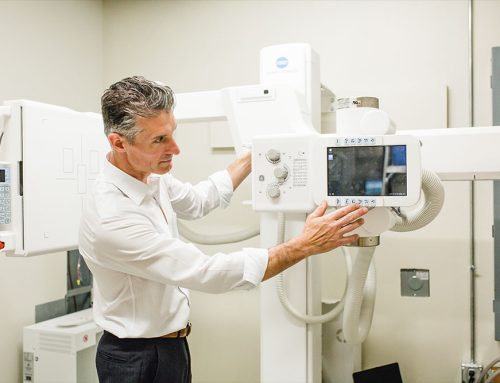
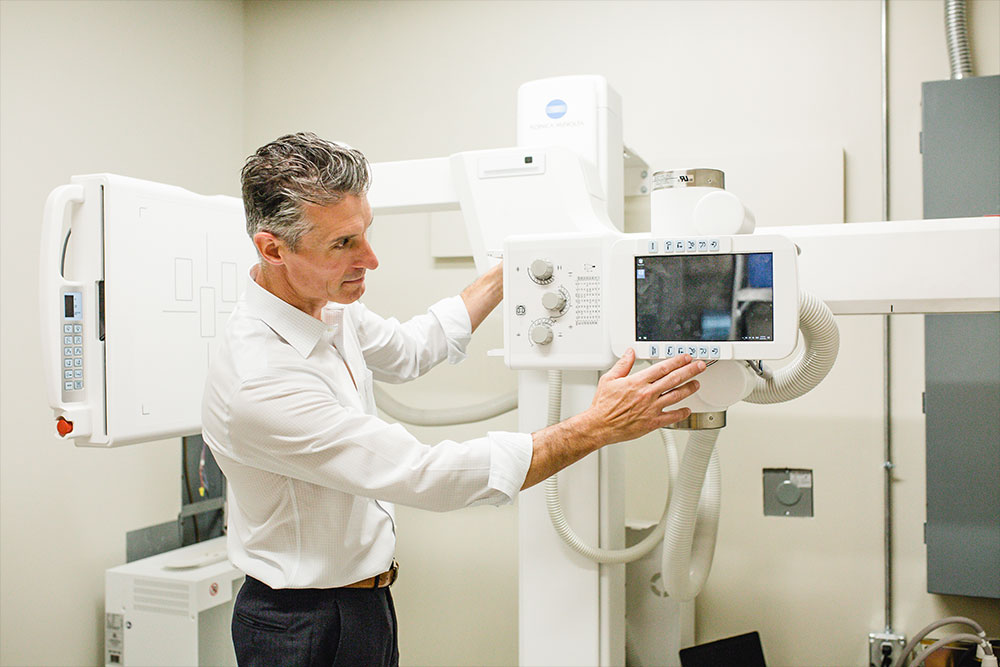
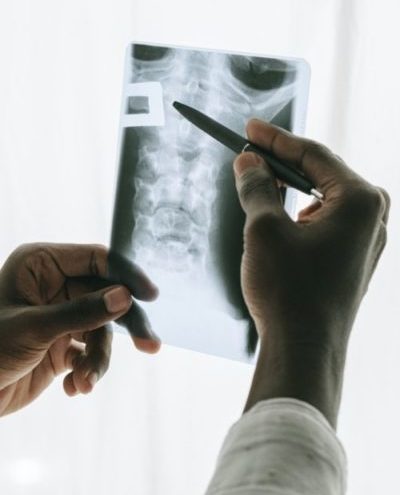
Precision in diagnosis is a hallmark of orthopedic specialists, distinguishing them in the medical field. Utilizing sophisticated diagnostic technologies like MRI scans, CT scans, and ultrasounds, these professionals can pinpoint problems with exceptional accuracy.
Imagine entering an office where a specialist uses advanced imaging to visualize your joints, instead of relying solely on symptoms. According to studies, MRI scans can detect joint abnormalities with an outstanding accuracy rate of up to 95%. This level of precision ensures that any potential issues are identified early, allowing for timely intervention.
However, it’s not just the diagnosis that sets orthopedic specialists apart; the treatment options they offer are equally advanced and tailored to individual needs.
Diagnostic Technologies
The technology employed doesn’t stop at MRI machines. For example, CT scans provide detailed cross-sectional images of bones and soft tissues, enabling the physician to assess conditions like fractures or cartilage damage effectively. Ultrasound serves as another beneficial tool, particularly in real-time evaluations—perfect for guiding injections directly into a joint or identifying fluid accumulation that could indicate inflammation. These innovative tools equip orthopedic specialists with comprehensive insights into a patient’s condition.
Now that we’ve covered how diagnostics pave the way for precise treatments, let’s examine some of these forward-thinking treatment options.
Innovative Treatment Options
With the rapid advancement of medical technology, treatment modalities have expanded significantly. Techniques such as PRP (Platelet-Rich Plasma) therapy and stem cell therapy are gaining traction for their effectiveness in promoting joint health and recovery.
PRP therapy involves injecting a concentrated solution derived from your blood directly into the injured area—this process harnesses the body’s natural healing capabilities, making it particularly effective for chronic tendinitis and ligament injuries. Patients often report significant reductions in pain and improved function following treatment.
It’s noteworthy that research suggests PRP therapy can enhance recovery times by speeding up tissue repair almost immediately after injury. Such approaches mark a departure from traditional methods, focusing on healing at a cellular level rather than simply managing symptoms.
This advanced approach ensures better recovery outcomes for patients while minimizing invasive procedures. Emphasizing personalized care strategies and targeted therapies brings us closer to understanding how these practices will evolve in future orthopedic interventions.
Rehabilitation and Long-Term Care
Effective recovery extends well beyond the initial treatment phase. This involves a combination of physical therapy, consistent monitoring, and adjustments to maintain optimal functionality. Orthopedic specialists emphasize the importance of rehabilitation because it greatly influences overall outcomes and enhances the quality of life for patients.
Physical Therapy Programs
Central to this process are tailored physical therapy programs, which I often describe as the backbone of recovery. These programs are specifically designed to address individual needs and conditions, focusing on regaining strength, improving flexibility, and enhancing balance. Studies reveal that personalized approaches can reduce recovery time by up to 50%, making them invaluable in the rehabilitation process.
Common components of these programs often include:
- Strengthening exercises: Vital for rebuilding muscle tissue and stabilizing joints after an injury or surgery.
- Flexibility routines: Incorporating stretching helps improve the overall range of motion, reducing stiffness and discomfort.
- Balance improvement activities: Especially important for older adults, balance training helps prevent falls—a common concern during recovery.
The effectiveness of these interventions cannot be overstated; they help ensure that patients not only heal properly but also adapt positively to their new physical capabilities.
Monitoring Progress
Regular follow-ups are essential in tracking progress and making necessary adjustments. Orthopedic specialists will often schedule periodic evaluations to gauge how well patients are responding to their rehabilitation plans. This allows them to fine-tune exercises based on individual performance and feedback.
Ongoing assessments enable orthopedic specialists to detect potential setbacks early, addressing them before they become serious issues. This proactive stance significantly aids motivation and adherence to treatment protocols, ultimately enhancing chances for success.
In addition to structured physical therapy sessions and regular monitoring, supportive measures like home-based care tips or simple lifestyle adjustments can reinforce efforts made in professional settings. Small changes—like being mindful of posture or ergonomics—can make a significant difference in sustaining progress over time.
Recognizing the importance of these interventions prepares us to explore how enhancing mobility and function leads to lasting improvements in overall health.
Improving Mobility and Function
The journey to improved mobility often begins with understanding the unique challenges faced by patients. Orthopedic specialists play a pivotal role in this process, assessing and identifying specific issues while suggesting appropriate interventions that can significantly enhance a patient’s quality of life. For many, this means focusing first on non-surgical interventions, which can alleviate discomfort and restore function without invasive procedures.
Non-Surgical Interventions
Utilizing tools such as braces, orthotics, and physical therapy not only assists in improving mobility but also enables patients to regain confidence in their movements. Braces offer support to weakened joints, helping people get back on their feet after injuries or procedures.
Take John, for instance, who experienced chronic knee pain; he found tremendous relief through the right brace coupled with targeted exercises. “With the right brace and targeted exercises, I can now walk without pain,” he remarked, highlighting how non-surgical approaches can lead to remarkable improvements in everyday function.
While these non-invasive methods provide significant benefits, some individuals may find them insufficient after exhausting conservative options. This leads us into the realm of surgical interventions.
Surgical Interventions
When non-surgical treatments prove ineffective in alleviating severe pain or restoring function, surgical options emerge as viable solutions. Procedures such as joint replacements or arthroscopic surgeries are commonly recommended when conservative treatments no longer suffice. Thanks to advancements in surgical techniques and technology, many patients experience quicker recovery times and regain nearly full function post-surgery.
We cannot overstate the importance of these interventions: they often serve as the final option, yet they offer hope to individuals suffering from debilitating pain that interferes with daily life. Furthermore, each option comes with its own personalized rehabilitation plans designed by orthopedic specialists to ensure optimal outcomes.
In both cases—whether using non-surgical tools or opting for surgical procedures—the goal remains clear: empowering patients to reclaim their mobility and enjoy an active lifestyle once again. With new technologies continuously evolving in orthopedics, understanding the available options is crucial for making informed choices about care.
Selecting the Right Orthopedic Specialist
Choosing the right orthopedic specialist can significantly impact your joint health and treatment journey.
The first factor to consider is their credentials and experience. Look for specialists who hold board certifications from recognized organizations. This certification indicates they have met necessary standards of knowledge and skill and are committed to continuing education. It gives you peace of This certification provides you with the assurance that your care is in capable hands. Nice experience treating your specific joint issue, and you’ve set a solid foundation for successful care.
Once you’ve established a list of potential candidates based on their qualifications, consider the next crucial aspect: consultation and compatibility.
Scheduling an initial consultation is pivotal in the selection process. This face-to-face meeting allows you to discuss your condition openly and explore various treatment options. Pay attention to how the specialist communicates; a good orthopedic surgeon will listen actively, provide clear explanations, and encourage questions. You should leave feeling informed and empowered about your choices.
Think about whether you feel comfortable sharing your concerns with them. That connection matters—after all, trust plays a significant role in your recovery journey. If you sense that you can collaborate openly with this individual, it’s certainly a positive sign.
As you navigate your options, consider the overall environment where you’ll receive treatment because the surgical facility also plays a part in your recovery.
The choice of surgical facility can significantly affect outcomes as well. Facilities known for quality orthopedic care often boast teams comprised of skilled professionals and superior resources that enhance patient care. It’s worth checking hospital rankings and specialties in orthopedics before making any final decisions.
Also, remember that effective communication remains key; you want someone who can communicate throughout the process—not just during initial appointments but consistently as you move through the stages of care.
Lastly, don’t hesitate to seek a second opinion if something feels off or if you have unanswered questions about your diagnosis or treatment plan. Validating what you’ve been told or discovering alternative avenues for your care ensures you’re exploring all options.
To control your health journey, visit Dr. Daniel Possley, where top-rated orthopedic specialists are ready to assist you, complete with patient reviews that provide valuable insights into their capabilities and successes.
In navigating your treatment choices effectively, remember that orthopedic specialists are essential partners in achieving optimal joint health and recovery. Don’t hesitate to reach out or call us at 303-673-1390 for expert assistance today.



Leave A Comment