

Managing musculoskeletal injuries and disorders can be daunting, particularly when chronic pain disrupts your daily life and cherished activities like hiking or practicing yoga. As someone earnestly seeking relief through trustworthy information on the latest treatment options, you deserve clarity without overwhelming medical jargon. We’ve thoroughly researched how spine surgeons utilize advanced treatments to offer paths toward recovery.
By incorporating both minimally invasive surgical techniques and effective non-surgical interventions, spine surgeons strive to tailor treatments that suit individual needs. From reducing recovery times with procedures like minimally invasive spine surgery (MISS) to exploring pain management through targeted injections, there are numerous sophisticated approaches designed to help regain mobility and alleviate pain.
Spine surgeons, who are often either neurosurgeons or orthopedic surgeons with specialized training in the spine, employ a variety of surgical and nonsurgical approaches to effectively manage musculoskeletal injuries and disorders. This may include procedures such as spinal fusion for degenerative disc disease or laminectomy for spinal stenosis. Each treatment plan is tailored to the specific condition and needs of the patient, aiming to restore function and alleviate pain.
Available Procedures and Treatment Options
When it comes to managing musculoskeletal injuries and disorders, spine surgeons have a toolkit filled with advanced procedures designed to address different issues. From minimally invasive techniques to more complex surgeries, these options are tailored to cater to a wide range of conditions.
Let’s start with minimally invasive spine surgery (MISS). These techniques, such as microdiscectomy and percutaneous screw fixation, are all about reducing tissue damage. By making smaller incisions, surgeons can access the spine with less disruption to surrounding muscles and tissues. This results in shorter recovery times for the patient, a reduced risk of infection, and minimal reliance on narcotics for pain management. The benefits of MISS are unparalleled. Not only does it minimize the trauma associated with traditional open procedures, but it also enables patients to return to their daily activities much faster.
Moving on to spinal fusion, this surgical procedure is employed to stabilize the spine by fusing two or more vertebrae together using bone grafts, rods, and screws. While it may involve longer recovery times compared to MISS, spinal fusion remains the gold standard for treating various spinal conditions. The idea behind spinal fusion is simple yet impactful. By creating a solid bond between adjacent vertebrae, the procedure aims to reduce movement between them. Whether it’s due to degenerative disc disease, spinal instability, or spondylolisthesis, spinal fusion provides much-needed stability for patients, alleviating pain and preventing further damage.
But not all cases call for fusion; that’s where disc replacement comes in. This innovative procedure involves implanting artificial discs to preserve motion in the spinal segment. As an alternative to spinal fusion, disc replacement offers patients the advantage of maintaining flexibility at the treated level. One of the key benefits of disc replacement is its ability to maintain natural movement within the spine. By replacing a damaged or worn-out disc with an artificial one, patients can experience reduced stress on adjacent discs while retaining a more natural range of motion.
Beyond these methods, there’s also kyphoplasty, a specialized procedure utilized to treat spinal compression fractures. By inserting a balloon into the fractured vertebra and filling it with bone cement, kyphoplasty restores vertebral height and reduces the pain associated with these fractures. Lastly, in tandem with surgical interventions, spine surgeons also employ pain management injections, such as epidural steroid injections and nerve blocks, to provide non-surgical relief for chronic pain conditions. Each of these procedures addresses specific challenges associated with musculoskeletal injuries and disorders, highlighting the diverse approaches that spine surgeons have at their disposal for optimal patient care. For more detailed information on these procedures, you can visit Dr. Daniel Possley.
Outpatient Services Provided
Patients suffering from back issues often dread regular hospital visits, which is entirely understandable. The good news is that many spine-related treatments can be administered on an outpatient basis, making the process much more convenient and less stressful for patients.
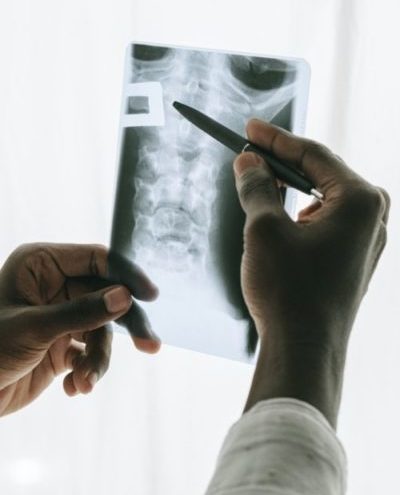
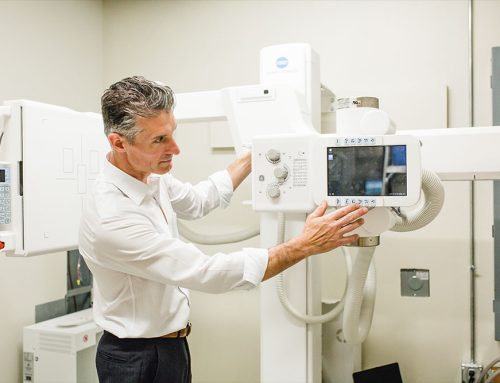
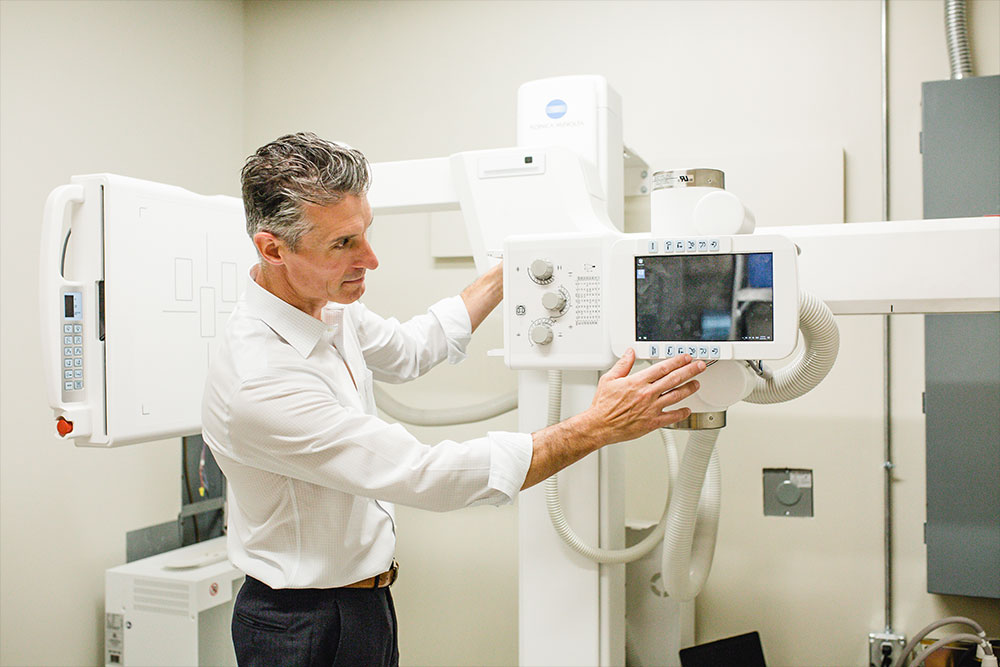
- Diagnostic Services: MRI and CT scans, X-rays, and electromyography (EMG) tests are crucial in accurately diagnosing spine-related issues. By offering these services on an outpatient basis, patients can undergo these tests without the need for extended hospital stays or disruption to their daily routines.
- Pain Management: Outpatient clinics play a vital role in providing pain management solutions to individuals dealing with spine-related issues. This includes the administration of epidural injections, nerve blocks, and trigger point injections that help effectively manage pain.
- Physical Therapy: Receiving physical therapy on an outpatient basis presents numerous advantages for patients. Specialized exercises and manual techniques are employed to improve mobility and reduce pain without requiring an overnight stay.
- Chiropractic Care: Another valuable addition to outpatient services is chiropractic care, which encompasses spinal adjustments and alignments to alleviate pain and improve function. By providing this service on an outpatient basis, patients have increased accessibility to these beneficial treatments without the need for extended hospital visits.
- Imaging Techniques: Advanced diagnostic imaging plays a critical role in accurately diagnosing spine-related issues and planning effective treatment strategies.
Embracing the provision of outpatient services not only enhances accessibility for patients but also underscores the commitment to delivering comprehensive care through convenient and patient-centric approaches. These services exemplify the ongoing dedication to optimizing patient experiences throughout their treatment journey.
The Recovery and Rehabilitation Process
Recovery after spine surgery is a crucial phase that demands attention, effort, and a personalized approach. Here’s a detailed look at the comprehensive elements of the recovery and rehabilitation process that significantly contribute to long-term post-surgery success.
Physical Therapy: Restoring Function and Mobility
Physical therapy plays a fundamental role in the recovery phase. Physiotherapists created a personalized plan for it to address each person’s needs. The goal is to restore function, mobility, and strength while minimizing pain and discomfort. Through a series of targeted exercises, patients can gradually regain range of motion and build muscular support around the treated area. The physical therapy plan may evolve as the patient progresses, ensuring its effectiveness throughout the healing process. Patients actively participate in physical therapy sessions, which accelerate their rehabilitation progress and lead to better long-term outcomes.
Pain Management: Addressing Post-Treatment Discomfort
Effective pain management is essential during the recovery phase. Patients may experience varying levels of discomfort following spine surgery or treatment. To alleviate pain and promote healing, a combination of medication, ice/heat application, and therapeutic exercises is utilized. Ice or heat therapy can provide relief from localized discomfort and reduce inflammation in the affected area.
Regular Monitoring: Assessing Progress and Making Adjustments
Throughout the recovery journey, frequent check-ups are essential for monitoring progress and making necessary adjustments to the rehabilitation plan. Specialists closely monitor each patient’s healing process, evaluating their response to treatment and identifying any potential complications or challenges.
Lifestyle Modifications: Supporting Rehabilitation Efforts
Implementing lifestyle modifications is vital to supporting the rehabilitation process. Adapting daily activities to minimize strain on the treated area can significantly impact the recovery journey. Patients are advised on appropriate movement patterns, lifting techniques, and posture adjustments to promote spinal health while reducing the risk of re-injury. For instance, individuals may be encouraged to use supportive furniture that promotes proper posture and spinal alignment.
Psychological Support: Managing Emotional Well-Being
The emotional aspects of recovery are equally important and often require dedicated support. Counseling services play a vital role in helping patients cope with the emotional challenges associated with their recovery journey. The comprehensive approach to recovery not only focuses on physical healing but also extends support for emotional well-being, lifestyle adjustments, pain management, and continual progress monitoring—culminating in a holistic rehabilitation process that sets the foundation for sustained wellness post-treatment.
When is Surgery Necessary?
Surgery is a crucial consideration in the treatment of musculoskeletal injuries and disorders. It becomes a viable option when non-surgical treatments are ineffective or when the condition poses serious risks to a patient’s health and wellbeing.
One of the primary scenarios that may prompt surgical intervention is when conservative or non-surgical treatments fail to alleviate symptoms. Patients who have undergone rounds of physical therapy, tried various medications, and received injections but still experience persistent pain or dysfunction may need to explore surgical options. At this stage, the benefits of surgery can outweigh the limitations of ongoing conservative treatments, offering a potential path to lasting relief and an improved quality of life. Moreover, severe structural issues within the spine often necessitate surgical intervention. Conditions such as significant spinal deformities, severe herniated discs, or spinal instability can profoundly impact an individual’s mobility, comfort, and overall functioning. In these cases, surgery may be indispensable for addressing the underlying structural problems and preventing further deterioration.
It’s crucial to underscore that surgical decision-making isn’t solely based on the physical changes in the spine; neurological symptoms play a significant role as well. Symptoms like numbness, weakness, or loss of function indicate nerve compression or damage, which can demand immediate surgical decompression to prevent permanent neurological deficits. Consider this: A patient with an acute spinal injury resulting from a traumatic accident may require emergency surgical attention to stabilize the spine and prevent further damage. This underscores how urgent and critical surgical intervention can be in cases of acute trauma or injury.
Ultimately, whether surgery is necessary is a deeply personalized decision based on an individual’s specific condition, symptoms, and medical history. Consulting with a specialist like Dr. Daniel Possley is vital for navigating the complex landscape of treatment options and determining the most appropriate course of action for each patient.
Meeting with a Specialist
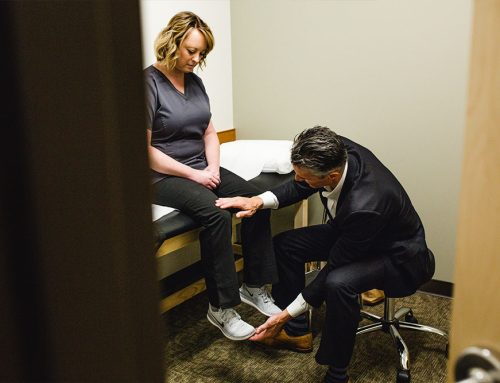
Dealing with chronic back pain or recovering from a recent injury calls for a crucial meeting with a specialist who thoroughly comprehends your concerns. This initial consultation paves the way for effective treatment by enabling the specialist to gain a comprehensive understanding of your medical history and the specific issues you’re facing. During this first visit, the comprehensive evaluation process involves discussing important details related to your medical history, lifestyle, and any activities that may be impacting your spine health. This thorough assessment forms the foundation for creating a personalized treatment plan that addresses your unique needs and circumstances.
Based on the initial evaluation, your specialist may also order diagnostic tests such as X-rays, MRI scans, or CT scans. These imaging studies help provide a clear picture of the condition affecting your spine, enabling the specialist to make an accurate diagnosis and prescribe the most appropriate course of action. For instance, if you’ve been experiencing persistent discomfort or limited mobility, these tests can reveal underlying issues such as herniated discs, spinal stenosis, or fractures that are contributing to your symptoms. By identifying these problems early on, the specialist can tailor a targeted intervention that directly addresses the root cause of your discomfort.
As part of the initial consultation, you can expect your specialist to engage in an open and detailed discussion about potential treatments. This is an opportunity for you to gain a thorough understanding of the various options available to address your condition. Your specialist will outline the risks, benefits, and expected outcomes associated with each treatment approach. This transparent dialogue plays a crucial role in helping you make informed decisions about your healthcare journey. Whether it’s discussing minimally invasive procedures, motion preservation technologies, or traditional spinal fusion, having all the pertinent information at your disposal empowers you to actively participate in creating a treatment plan that aligns with your goals and preferences.
In some cases, seeking a second opinion can provide valuable insights and validation regarding the diagnosis and recommended treatment plan. It’s perfectly acceptable—even encouraged—to seek reassurance before committing to a particular course of action. Seeking out additional perspectives ensures that you have explored all available options and are proceeding with confidence. Dr. Daniel Possley is dedicated to providing top-notch care and is always available to offer consultations or second opinions. His commitment to integrating cutting-edge treatments ensures that you receive guidance aligned with the latest advancements in spine surgery.
Choosing the Right Treatment Plan
When it comes to managing musculoskeletal injuries and disorders related to the spine, it’s crucial to be well-informed about the various treatment options available. Both surgical and non-surgical treatments have their own set of advantages and drawbacks, and understanding them is essential for making an informed decision. Surgical treatments may offer lasting relief for certain conditions, but they also come with inherent risks. On the other hand, non-surgical treatments may be more conservative, but they might not provide the necessary relief for severe cases.
It’s important to have an open discussion with your spine specialist or surgeon about the potential benefits and risks of each type of treatment. This open dialogue will allow you to weigh these considerations against your individual circumstances. For instance, let’s say you’re considering surgery for a spinal disc herniation. Your surgeon will explain that while surgery can often provide rapid relief by removing the portion of the disc that’s pressing on a nerve, there are still potential risks involved in undergoing surgery, such as infection or anesthesia complications. Non-surgical treatments like physical therapy and medication may be presented as alternative options but might not yield the desired results in severe cases.
Personalized Plans
Every patient is unique, with different needs and circumstances. Factors such as age, current health status, activity level, and the specific condition of your spine play an integral role in tailoring a treatment plan that addresses your needs effectively. If you’re an older adult with multiple health concerns, your personalized plan may focus more on non-surgical interventions aimed at maintaining function and easing discomfort. Moreover, if you’re a young and active individual experiencing a spine injury due to sports or physical activities, a treatment plan oriented towards restoring full function might be more appropriate for you. This personalized approach ensures that your treatment plan is designed to address your unique circumstances and goals for recovery.
Patient Preferences
Your comfort level with any proposed treatment plays a significant role in finding the right course of action. It’s essential to openly discuss any concerns or expectations you have regarding your treatment with your healthcare provider. Maybe you feel uncomfortable with the idea of undergoing surgery or have reservations about certain medications. These are valid concerns that should be openly discussed with your doctor to create a treatment plan that aligns with your preferences. Ultimately, understanding and accommodating your comfort level within the proposed treatment will contribute positively to your overall experience in managing your spine condition.
Long-Term Goals
When crafting a treatment plan with your healthcare provider, it’s crucial to establish realistic, long-term goals. Whether it’s aiming for pain relief, improved function, or lifestyle changes, setting tangible objectives will help track your progress effectively over time. For instance, if you’re managing chronic back pain due to degenerative disc disease, setting long-term goals for reducing pain levels through targeted physical therapy sessions can provide a clear roadmap for monitoring improvements. Establishing these long-term goals alongside your healthcare provider will guide the direction of your treatment plan while providing clarity on expected outcomes.
Financial Considerations
Evaluating the costs associated with various treatment options is another critical aspect of devising an effective treatment plan. Surgery, physical therapy sessions, follow-up visits—they all come at a cost. Consulting with your insurance provider to understand coverage and out-of-pocket expenses can help you make informed decisions about the financial aspects of your treatment. Understanding these financial considerations will empower you to make choices that align with your budget while ensuring access to necessary treatments without added financial strain. By taking into account these financial factors during the decision-making process, you can approach your spine care confidently without worrying about unforeseen financial burdens.
Choosing the right treatment plan involves a comprehensive evaluation of both medical considerations and personal preferences. By engaging in candid discussions with your healthcare provider and taking into account individual factors such as personal goals and financial considerations, you can work towards developing a treatment plan that promotes optimal recovery and well-being!
Contact Dr. Daniel Possley, DO, MS, today for more information!


Leave A Comment