

If you’ve ever found yourself wincing in pain while bending down to tie your shoes or feeling a nagging ache that just won’t go away, you’re not alone. Many people mistakenly believe that ignoring mild back pain will make it fade away on its own. However, waiting can turn those minor issues into major problems faster than you might think. By contacting an orthopedic spine surgeon at an early stage, you can expedite your recovery and receive customized pain management. In this article, we will delve into the importance of consulting a spine specialist as soon as possible for anyone experiencing discomfort, and how it can pave the way for a healthier and more active life.
Seeing an orthopedic spine surgeon early can significantly improve pain management and recovery outcomes by facilitating timely diagnosis, effective treatment planning, and evaluation of underlying issues. Early intervention often leads to enhanced quality of life over time as patients have access to comprehensive care strategies tailored to their specific conditions.
Why You Should Consult an Orthopedic Spine Specialist Early
Consulting with an orthopedic spine specialist at the onset of pain or discomfort provides a unique advantage that can’t be overstated. Picture this: you’re experiencing mild back pain that you’ve brushed off as merely a result of daily wear and tear. Many people wait until pain intensifies, only to find themselves facing more complex issues.
Early visits initiate a thorough evaluation that can lead to effective treatment before minor problems escalate into significant challenges, such as chronic pain or the need for invasive procedures.
Research has shown that patients who consult a spine specialist within the first six weeks of symptoms report a 30% higher satisfaction rate with their treatment outcomes. This statistic reflects the vital importance of addressing spinal concerns promptly rather than delaying action and facing a cycle of frustration and escalating discomfort.
Understanding your condition early allows for precise treatment planning. You wouldn’t want to drive without knowing your destination, and similarly, knowing what’s affecting your spine will help guide therapeutic decisions. A specialist can recommend not just surgery but also non-surgical interventions, tailoring a comprehensive plan that may include physical therapy or targeted injections to manage pain effectively.
About 40% of herniated disc cases could potentially avoid surgical intervention altogether if treated early with conservative measures like physical therapy and medication. By prioritizing early consultation, patients enhance recovery prospects while significantly lowering long-term healthcare costs related to spine issues, sometimes by approximately 25%.
Impact on Daily Living
Another critical aspect is how chronic pain affects daily life. Many people underestimate how pain can hinder productivity at work or joy in personal activities. Engaging in regular discussions about these impacts with a spine specialist ensures that each patient’s needs are understood holistically. For example, they may prescribe adjustments for those who spend long hours seated at work or recommend specific exercises designed to strengthen vulnerable areas.
Recognizing the importance of timely intervention leads seamlessly to understanding how precise diagnostics shape effective treatments for spinal conditions.
Accurate Diagnosis of Spine Conditions
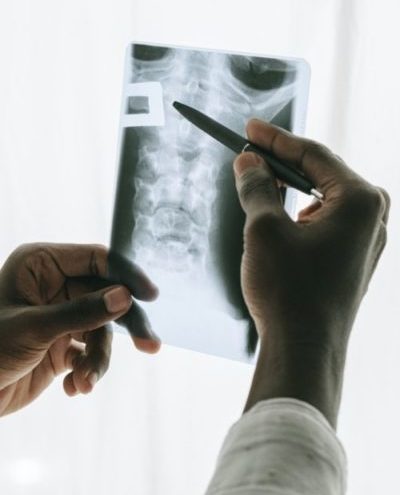
Achieving an accurate diagnosis is more than just identifying symptoms; it sets the stage for effective treatment. Orthopedic spine surgeons harness advanced imaging technologies to get a clear picture of what’s going on in your spine. Tools like MRIs, X-rays, and CT scans are invaluable allies in this quest for clarity, allowing doctors to take a closer look at both soft and hard tissue structures.
For instance, if you come in complaining about chronic back pain, an MRI might reveal hidden conditions like spinal stenosis—narrowing of the spinal canal that could be pinching nerves. This revelation not only explains your symptoms but also guides your physician toward precision-targeted therapies. Relying solely on verbal descriptions of discomfort can lead to misdiagnosis or overlooked problems.
As we explore the critical role early intervention plays in maintaining spinal health, it’s essential to recognize the value of proactive measures. This foundation leads naturally into understanding strategies that can effectively reduce the need for invasive procedures.
Minimizing the Need for Surgery
Consulting an orthopedic spine surgeon early plays a crucial role in minimizing the need for surgeries that can change your life dramatically. When patients develop a connection with their surgeons and share their experiences, they often find themselves exploring a variety of non-surgical options first. This proactive approach results in multiple strategies available that can effectively alleviate pain while preserving the integrity of the spine.
Physical Therapy
A cornerstone of this non-surgical pathway is physical therapy.
Working closely with a physical therapist allows patients to engage in customized exercises designed to strengthen core muscles, thus offering critical support to the spine. Imagine strengthening your core muscles as a protective shield around your injury; the stronger your core, the more capable your spine will be to withstand daily pressures. Regular physical therapy sessions can impart valuable techniques not only to alleviate pain but also to improve mobility.
Medication management is another avenue worth discussing, as it ties into both immediate relief and long-term recovery strategies.
Medication Management
Effective medication management provides patients with essential tools for pain relief. Anti-inflammatory medications or muscle relaxants may be prescribed, allowing individuals to manage their symptoms without resorting to surgery. It’s important to understand that using medication responsibly requires good communication between the patient and the physician. By sharing insights about previous treatments or current medications, patients help their doctors tailor approaches that best fit their specific needs.
Patients should maintain an open discussion about their past experiences to ensure they receive optimal care in the future.
Additionally, advanced treatment options like targeted injections have emerged as vital components in alleviating pain and inflammation.
Targeted Injections
Targeted injections, such as cortisone shots, serve as effective non-surgical interventions.
These injections deliver anti-inflammatory agents directly into affected areas, reducing swelling and pain in a localized manner. This targeted approach allows patients to experience significant comfort before considering other forms of treatment or rehabilitation efforts. Patients often describe this process as liberating, giving them the chance to engage more actively in their lives and recovery efforts.
Despite the proven success of non-surgical interventions, there’s always an ongoing debate about when surgical measures become necessary. It’s essential to note that studies conducted by the National Institutes of Health reveal up to 85% of lower back pain cases improve through these thoughtful, non-invasive approaches. With such evidence backing these methods, many people find hope in resolving their concerns without undergoing potentially life-altering surgeries.
Yet even beyond clinical interventions, embracing healthy habits and practices can lead to significant improvements in overall well-being and functionality.
Lifestyle Changes for Better Spine Health
When it comes to the health of your spine, small adjustments can lead to substantial benefits.
First and foremost, let’s discuss postural alignment. Many people may not realize how their everyday posture can influence spinal health. Sitting at a desk hunched over a computer or slouching while watching TV places undue stress on the vertebrae and surrounding muscles. A conscious effort to maintain proper posture—sitting up straight, keeping your shoulders back, and ensuring your hips are properly aligned with your knees—can significantly reduce unnecessary pressure on the spine.
Investing in ergonomic office furniture, like chairs with lumbar support or adjustable desks, is a practical way to enhance comfort and alleviate long-term issues.
Weight management is another vital component of maintaining a healthy spine.
Carrying extra pounds translates to additional strain on your spine. Every pound adds pressure on the intervertebral discs and can exacerbate discomfort or pain. Studies have shown that individuals who maintain a healthy body mass index (BMI) experience a remarkable 40% reduction in instances of back pain (Journal of Physical Therapy Science). This statistic underscores the importance of keeping your weight within a healthy range—not only for spinal health but also for overall physical fitness. Regular monitoring through consultations with healthcare professionals or tracking methods can help you stay on top of your weight goals.
Finally, let’s examine the importance of regular exercise.
Engaging in regular physical movement is essential for strengthening the muscles that support the spine. Low-impact aerobic exercises such as swimming, walking, or cycling are particularly beneficial because they promote flexibility without putting excessive strain on your joints. Improving muscle tone helps stabilize the spine and minimizes injuries. Incorporating strength training exercises focused on core muscles can also greatly enhance stability and support. For instance, exercises like planks and bridges are excellent for building core strength without heavy lifting.
By highlighting these essential lifestyle modifications, we underscore how foundational habits play a significant role in enhancing recovery outcomes linked to expert guidance.
Enhanced Recovery and Pain Reduction
Early interventions lead to faster recovery times and significant pain reduction. This is more than anecdotal evidence; a comprehensive study published in Spine Journal highlighted that patients who connected with orthopedic specialists early on experienced a 30% faster recovery time and a 25% reduction in reported pain levels compared to those who took a wait-and-see approach. This difference is striking, illustrating how timely care can set the stage for improved health outcomes.
For instance, take Jane, a 45-year-old office worker. Jane’s experience is a testament to the value of early consultation. After encountering persistent back pain, she didn’t hesitate to reach out to an orthopedic spine surgeon. Jane recounted, “Seeing a specialist early helped me understand my condition better and manage it effectively without surgery. My pain diminished within months!” Her story reflects what many experts advocate: early detection translates to better management and quicker recovery—especially for conditions like herniated discs or spinal stenosis.
Understanding how early consultation impacts specific demographic groups can further clarify who stands to gain the most from prompt medical attention.
Age Demographics Impacting Recovery
When we think about age demographics, it’s essential to note:
- Younger Patients: Often underestimated, experiencing chronic pain can significantly influence their quality of life.
- Older Adults: They may have pre-existing conditions that complicate spine-related issues, making quicker intervention crucial.
- Athletes and Physically Active Individuals: They are at a higher risk for injuries, which can improve with immediate professional guidance.
By emphasizing these statistics and stories, healthcare providers can better persuade individuals to consult orthopedic spine specialists sooner rather than later.
As we explore further into this subject, recognizing the indicators for seeking timely advice will enhance our understanding of proactive healthcare measures.
Who Should Consider Early Consultation
One key group that should consider consulting an orthopedic spine surgeon early is athletes. The demands of sports often lead to increased stress on the spine, making injuries more likely. Just as Mark, a semi-professional soccer player, shared, “Early consultation with an orthopedic spine surgeon identified minor issues before they could jeopardize my career.” This proactive approach can prevent discomfort from evolving into long-term problems, allowing athletes to maintain their performance without disruption.
Another group that should be particularly proactive is elderly individuals. As we age, natural wear and tear on our bodies can lead to conditions like osteoporosis and arthritis, which can significantly impact spinal health. The CDC reports that approximately 39% of adults aged 65 and older suffer from chronic back pain, highlighting the necessity for preventive strategies in this demographic. Regular consultations allow close monitoring of spinal changes and timely intervention before complications arise.
Beyond these groups, there are additional populations who would benefit substantially from early consultations with a spine specialist.
For instance, those with a history of spinal injuries or trauma, such as car accidents or falls, should be vigilant. Previous injuries may create underlying conditions that might not appear immediately but can cause significant issues down the line. Moreover, individuals displaying neurological symptoms—like numbness, tingling, or weakness in the limbs—should seek further investigation, as these can indicate potential spinal problems. Quick action is crucial in these scenarios for timely diagnosis and effective treatment planning.
Lastly, people suffering from chronic conditions such as arthritis or osteoporosis affecting spinal health should consult specialists without hesitation. If conservative treatments fail to provide relief within three months, it’s advisable to explore alternative options as soon as possible. Embracing early consultations can significantly improve quality of life.
Understanding who is at risk is key; taking the step to consult a qualified orthopedic spine surgeon, such as Dr. Daniel Possley, can ultimately lead you toward optimal recovery.
In light of these insights, if you’re experiencing any concerning symptoms or simply wish to ensure your spinal health, reach out today or call us at 303-673-1390!



Leave A Comment