


If you’re dealing with chronic neck pain, you know how much it can affect every aspect of your life—from working efficiently to enjoying your favorite activities like hiking or yoga. Complex cervical spine issues often cause this discomfort, necessitating expert treatment beyond what regular doctors can provide.
It’s crucial to seek out specialists with access to advanced diagnostics like MRI and CT scans, which go beyond basic X-rays. According to the American Academy of Orthopaedic Surgeons, over 30% of adults seek medical attention for severe neck pain at some point in their lives, making it all the more important to find highly qualified experts who offer proven solutions and personalized care.
To find the right cervical spine specialist in Wyoming, consider researching board-certified orthopedic spine surgeons with proven expertise in diagnosing and treating cervical spine issues. Additionally, look for specialists who prioritize patient education, offer a range of treatment options, and have positive patient testimonials showcasing successful outcomes.
Common Cervical Spine Issues
The cervical spine, also known as the neck, can experience several problems that may cause significant discomfort and affect daily life. One prevalent issue is degenerative disc disease. As we age, the intervertebral discs between the vertebrae start to lose hydration and elasticity. This deterioration can lead to conditions like herniated discs. Imagine the inner gel of the disc pushing out and pressing against nearby spinal nerves, causing pain or numbness to radiate down into the arms. Such symptoms can severely impact a person’s ability to perform routine tasks.
Another common condition affecting the cervical spine is cervical spondylosis, particularly prevalent among adults over 40. It manifests as arthritis due to wear and tear on the spinal discs in the neck. Individuals suffering from this condition often experience a stiff neck and persistent pain. However, its complications don’t stop there; in more severe cases, it can develop into spinal stenosis. This occurs when the spinal canal narrows, putting pressure on the spinal cord itself. The result? The results often include debilitating pain and even neurological deficits.
Recognizing these issues lays the foundation for seeking specialized care tailored to your unique needs, which is vital for effective treatment and recovery. Understanding how specialized practitioners approach these concerns will provide you with valuable insights into your options moving forward.
Importance of Specialized Care
Specialized care offers a level of understanding and treatment that general practitioners simply cannot provide. Cervical spine conditions can range from mild discomfort to severe pain or debilitating symptoms, often requiring an intricate approach for both diagnosis and treatment. A spine specialist, equipped with extensive training and experience in this specific area, brings a nuanced perspective that ensures patients receive tailored care suited to their unique needs.
This doesn’t merely mean a more informed opinion; it signifies access to advanced therapeutic options that may not be available through a standard practice. For instance, while a regular doctor might recommend basic physical therapy or over-the-counter pain relief, a cervical spine specialist is likely to explore a wider array of treatments such as targeted injections, specialized exercises, or even minimally invasive surgical procedures when necessary. This comprehensive toolkit allows specialists to effectively address conditions and adapt treatment plans based on the patient’s response.
Additionally, interaction with other healthcare providers in your specialist’s network can enhance your care experience. Many spine specialists work closely with physical therapists, pain management experts, and nutritionists to form a multidisciplinary approach toward recovery. Such collaboration brings together various perspectives for a coherent treatment plan that considers all facets of health.
Choosing the right professional goes beyond just treating neck pain; it involves aligning yourself with a dedicated expert in cervical spine health who focuses on securing your long-term relief and improving your quality of life. As we shift our attention, let’s explore how to identify leading professionals who can guide you through your treatment journey.
Finding Top Specialists in Wyoming
When searching for cervical spine specialists in Wyoming, take the time to explore their credentials thoroughly. Begin by examining their educational background, board certifications, and fellowship training. A board-certified orthopedic spine surgeon with extensive experience in treating specific conditions like herniated discs or spinal deformities is typically an excellent option.
Next, consider how long they’ve been practicing and where they completed their residency and fellowship training. Often, specialists trained at prestigious institutions are more familiar with advanced surgical techniques and treatment options that can be particularly beneficial for complex cases.
Another important factor to consider is how frequently they perform the specific procedure or treatment you require. The philosophy here is simple: the more procedures a specialist performs, the better they become at them. If you’re considering surgery, it’s advantageous to choose a surgeon who routinely conducts that specific type of operation.
As you continue your search, don’t shy away from reaching out directly to the offices of these specialists. Many practices will allow you to inquire about their approach before scheduling an appointment. Engaging with office staff can provide insights into the overall patient experience, which is just as vital as the doctor’s skill set.
By gathering comprehensive practitioner information and understanding patient experiences, you will establish a solid foundation for moving forward in your quest for the right healthcare professional.
Evaluating Credentials and Experience
When it comes to finding a top cervical spine specialist, credentials and experience are vital. You want someone who not only has the necessary qualifications but also extensive hands-on experience in treating your specific condition.
As you sift through potential doctors, begin by assessing their board certifications. Board certification from recognized organizations like the American Board of Orthopaedic Surgery is crucial; it means the physician has met rigorous standards in medical training and knowledge within their specialty.
Along with certification, fellowship training plays an important role in evaluating a specialist’s credentials. This type of advanced education signifies that a physician has undergone additional, concentrated training in spinal surgery beyond their residency. It equips them with the latest techniques and insights into complex conditions affecting the cervical spine, which can be invaluable in your treatment journey.
Be proactive in checking their years of practice. You may find that more years typically correlate with a depth of experience that translates into better patient care. However, don’t rely solely on numbers; take into account specialists who have faced challenges similar to your own condition in their professional history. This ties closely to specialized training—look for fellowship-trained specialists whose expertise aligns with your unique needs.
As you move forward in this process, remember to trust your instincts as you progress through this process. While credentials and experience are concrete measures of ability, feeling comfortable with your chosen specialist is equally important. A collaborative relationship with your healthcare provider can significantly enhance your treatment journey, leading to better outcomes and more personalized care.
With solid credentials in mind, the next step involves examining personal preferences and practical considerations that will influence your decision-making process regarding your surgical care.
Factors in Choosing Your Doctor
Personal compatibility should be at the forefront of your decision-making. A successful doctor-patient relationship is based on trust and communication, where you feel comfortable discussing your concerns and asking questions. When looking for a cervical spine specialist, pay attention to how they interact with you during the initial consultation. Is the doctor attentive? Do they listen actively and address your issues thoroughly? Feeling at ease in these discussions will make a significant difference in your overall treatment experience.
Accessibility and convenience also play crucial roles in your selection process. While some individuals may put a premium on a specialist’s reputation, it’s essential to consider logistics, especially if you’re anticipating multiple appointments for treatments or follow-ups. Reflect on how far the clinic is from your home or workplace and whether that travel time fits into your schedule. Also assess their hours of operation: Are they accommodating for your personal and professional commitments? Making sure you can easily secure appointments will significantly reduce stress during your treatment journey.
Furthermore, insurance coverage shouldn’t be overlooked. Evaluate whether your chosen specialist is within your insurance network or what out-of-pocket costs you might incur. It can be frustrating to fall in love with a doctor only to find that continued treatment isn’t financially feasible due to insurance constraints. Verify that everything fits your budget as well.
While it’s easy to focus solely on qualifications and reputation, it’s crucial to balance these factors with personal comfort, accessibility, and financial considerations to make a well-rounded decision. Proper research and introspection on these factors form the backbone of making an informed choice that suits not only your medical requirements but also your personal circumstances.
Having weighed these crucial considerations, you’ll be ready for the next step in initiating your treatment pathway—an essential moment to outline expectations and gather important information.
Prepare for Your First Visit
The initial visit with your cervical spine specialist is more than just another appointment; it serves as a pivotal moment in your treatment plan. To get the most from this meeting, it’s essential to approach it with a clear strategy that involves gathering necessary documents and understanding the importance of actively participating in your care.
Gathering Medical History
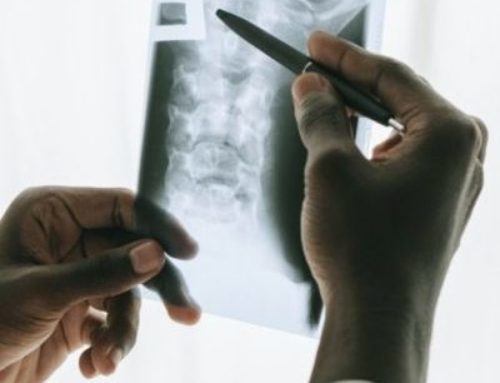
Start by collecting all relevant medical records. This includes previous test results, such as X-rays or MRIs, as well as any notes from other healthcare providers. Having these documents handy ensures that the specialist gains a detailed understanding of your condition right from the start, providing context for informed decision-making about your care.
Add details about the symptoms you’ve experienced, even those that don’t seem related—sometimes, everything has a connection.
Finally, keep in mind the emotional aspect of this journey.
Bringing a Support System
In addition to gathering paperwork and preparing inquiries, having a trusted friend or family member accompany you can provide significant emotional support. They can help listen to what the specialist says and offer encouragement as you navigate potentially complex discussions about your health. Sometimes, they may think of questions you might overlook or help remember key details discussed during the meeting.
All these preparations create a comprehensive approach that allows you to maximize your time during this critical visit. Setting yourself up for success means you’re not just there to receive instructions; you’re actively participating in discussions about your health!
To take charge of your cervical spine health today, contact Dr. Possley at 303-673-1390 for personalized guidance and support.



Leave A Comment