

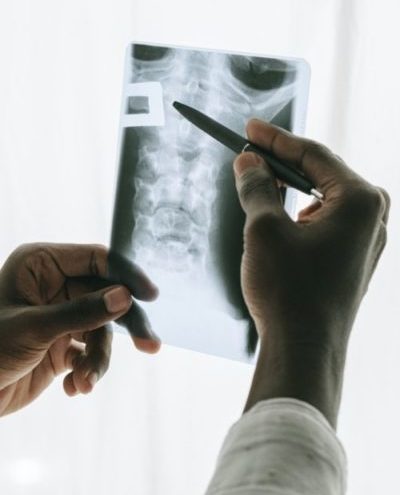
Spine surgery is a major decision that many people face when other treatments like physical therapy or medication no longer bring relief. According to data from the National Institute of Neurological Disorders and Stroke (NINDS), while 80% of adults will experience back pain at some point in their lives, only 5% need surgery. This guide aims to demystify the essential procedures involved in spine surgery and provide clear recovery tips.
We’ve spent countless hours gathering expert opinions, recent studies, and patient testimonials to create this comprehensive resource just for you. Advances in surgical technology now offer more precise and less invasive options than ever before. Understanding the conditions treated by spine surgery is a vital first step in navigating this journey toward relief and improved quality of life.
The Spine Surgery Guide covers essential procedures such as decompression surgeries, stabilization procedures such as spinal fusions, and motion-preservation techniques such as artificial disc replacement. Each section provides insights into the purpose, expected outcomes, and recovery aspects of these surgeries to help patients make informed decisions about their spine health.
Conditions Treated by Spine Surgery
Spine surgery becomes a necessary option when other treatments have not alleviated persistent pain or discomfort. Among the most common conditions warranting surgical intervention are herniated discs, spinal stenosis, scoliosis, and degenerative disc disease. These issues can significantly impact the quality of life, often causing debilitating pain and limiting mobility.
Herniated Discs
A herniated disc occurs when the soft cushion between vertebrae pushes out through a tear in its outer layer, pressing on nearby spinal nerves. This impingement can cause excruciating back pain, as well as sciatica—a sharp pain that radiates down the leg.
Surgery aims to remove the protruding portion of the disc to relieve nerve pressure, thereby reducing pain and restoring function. Patients often notice significant improvements in their symptoms following successful surgery, allowing them to return to daily activities they may have previously avoided.
Spinal Stenosis
Spinal stenosis is another condition that can be effectively treated with spine surgery. This entails the narrowing of the spinal canal due to a variety of factors, such as age-related wear and tear, injury, or congenital conditions. The reduced space can lead to pressure on spinal nerves, resulting in pain, numbness, and muscle weakness, primarily in the legs.
Surgical options like laminectomy or decompression can alleviate this pressure by removing bone spurs or ligaments that are encroaching on the nerve pathways. Many patients experience remarkable relief after undergoing these procedures, enabling them to regain lost mobility and enhance their overall well-being.
Scoliosis
Now consider scoliosis, defined by an abnormal sideways curvature of the spine that can develop during childhood or adolescence. While many cases are mild and do not require treatment, severe curves can lead to discomfort and complications in adults.
For severe cases, surgical options such as spinal fusion become necessary to straighten and stabilize the spine. Teenagers often undergo this procedure, but adults with worsening spinal deformities can also successfully undergo it.
Degenerative Disc Disease
Finally, we have degenerative disc disease, a form of arthritis that affects the spine and causes intervertebral discs to lose moisture and elasticity over time. As the discs deteriorate, individuals may experience increasing pain and stiffness that hampers daily movement.
Disc replacement, which replaces a damaged disc with an artificial one, and spinal fusion, which fuse adjacent vertebrae to stabilize affected areas of the spine, are examples of surgical interventions. These surgical options aim to relieve pain and improve overall stability for patients experiencing debilitating symptoms.
After learning about the conditions that require surgical treatment, it’s critical to comprehend the surgical procedure and what patients can anticipate from their recovery.
Overview of Surgical Techniques
Spine surgery employs a range of sophisticated techniques tailored specifically to address different spinal conditions and patient needs. This adaptability ensures that individuals receive the most effective interventions, improving outcomes and enhancing their quality of life. Among the most frequently utilized techniques are minimally invasive surgery, open surgery, and advanced robotics and navigation systems.
Minimally Invasive Surgery
The treatment of spinal problems has undergone a revolution thanks to minimally invasive spine surgery (MISS). By using smaller incisions compared to traditional methods, MISS reduces tissue disruption, allowing for quicker recovery times and less postoperative pain. Techniques such as microdiscectomy—a procedure to relieve pressure on nerves—and endoscopic spine surgery exemplify this approach. Patients have reported shorter hospital stays and faster returns to daily activities.
Open Surgery
On the other side of the spectrum, there is open surgery. This method involves larger incisions that provide direct access to the spinal structures. More complex conditions or extensive spinal corrections, like multi-level fusions requiring the connection of multiple vertebrae, often necessitate its use. While open surgery can lead to greater postoperative discomfort and longer recovery times, it remains essential for certain cases where precision and access are paramount to ensuring successful outcomes.
Robotics and Navigation Systems
Recent advancements in technology have brought robotics and navigation systems into the operating room, greatly enhancing surgical precision and patient safety. These tools assist surgeons by providing real-time imaging and guidance during procedures. The increased accuracy minimizes the risk of complications and ensures that surgical interventions are more targeted, resulting in quicker recoveries and better overall patient experiences.
As we progress through the various techniques employed in spine surgery, it’s essential to explore how these methods cater to specific conditions faced by patients today.
Common Lumbar and Cervical Procedures
Spine surgeries often target particular issues related to pain, weakness, or numbness. Among these, two prominent categories—the lumbar and cervical procedures—stand out as they address turbulent back pain experienced by many patients.
Lumbar Procedures:
Microdiscectomy
The microdiscectomy, one of the most common procedures, aims to relieve nerve pressure resulting from a herniated disc in the lumbar spine. During this minimally invasive procedure, surgeons remove only a small part of the disc that is protruding and causing discomfort. The goal is straightforward: relieve pressure on the affected nerves to ease pain. Patients have reported significant improvements and can often return home the same day.
Spinal Fusion
Spinal fusion is another common lumbar procedure. This procedure entails joining two or more vertebrae together to eliminate motion in that painful segment of your spine. It addresses conditions such as degenerative disc disease or spondylolisthesis, where one vertebra slips over another. Stabilizing the spine can significantly reduce pain, but it requires careful consideration as it alters spinal mechanics.
Cervical Procedures:
Anterior Cervical Discectomy and Fusion (ACDF)
Moving up to the neck region, one widely practiced cervical procedure is anterior cervical discectomy and fusion (ACDF). To access and remove a damaged disc, a surgeon makes a small incision in the front of your neck. Following the removal of the damaged disc, bone grafts or metal implants fuse the adjacent vertebrae together. This operation provides relief, particularly for those dealing with herniated discs or cervical spondylosis—a condition characterized by degenerative changes.
Artificial Disc Replacement
Alternatively, some patients might qualify for an artificial disc replacement instead of undergoing fusion. This surgery involves replacing a degenerated disc with an artificial one—allowing for preserved mobility between vertebrae while simultaneously reducing pain levels. Selection for this procedure hinges greatly on individual criteria; not everyone may be a suitable candidate depending on various factors, including overall spine health.
Understanding these procedures helps set the stage for what candidates can expect throughout their surgical journey—especially regarding how to prepare effectively for optimal outcomes.
Pre-Surgery Preparation Tips
Adequate preparation is not just a formality; it’s an essential part of ensuring a successful surgical experience. Before spine surgery, several key steps can significantly impact both the procedure and your recovery. One of the most crucial aspects is obtaining the necessary medical clearances.
Medical Clearances
These checks often include blood work, which assesses overall health and detects any issues that may need addressing. People often perform an EKG to monitor heart function, particularly if they have a history of cardiac problems. If patients have known heart conditions or risk factors, additional cardiac evaluations might be required. This thorough vetting process helps ensure you’re fit for surgery, lowering the chances of complications during and after the operation.
Lifestyle Adjustments
In addition to medical preparations, adopting certain lifestyle adjustments is key for a smoother journey.
Diet and Exercise
Maintaining a balanced diet is pivotal when preparing for surgery. A diet enriched with protein plays a direct role in healing post-surgery, aiding tissue repair and muscle recovery. Light exercises such as walking or stretching can keep the body in optimal condition before surgery. While it’s important not to overdo it, these activities can enhance circulation and improve resilience, making your body more prepared for the demands of healing after the operation.
Furthermore, some lifestyle choices have a significant impact on surgical outcomes—one notable example is smoking.
Quitting Smoking
Research demonstrates that smoking hinders healing by limiting blood flow and reducing oxygen supply to tissues, thereby increasing the risk of complications during recovery. Committing to quitting smoking well ahead of your surgery date not only increases the likelihood of successful outcomes but is a significant step toward controlling your health.
Mental Preparation
Never undervalue mental preparation for surgery; it is just as important as physical preparation.
Techniques such as meditation, breathing exercises, and consultations with mental health professionals can greatly ease anxiety before surgical procedures. Lowering stress levels contributes to a more positive mindset going into surgery; this isn’t trivial, as studies show that patients who feel calm and mentally prepared tend to exhibit better adherence to postoperative care instructions.
With these steps taken care of, you’re setting yourself up for success as you proceed into the actual surgery, followed by focused attention on strategies essential for long-term success in healing and rehabilitation.
Recovery and Rehabilitation Strategies
Postoperative recovery is a crucial phase that determines the long-term success of spinal surgery. One cannot overstate the significance of a structured recovery plan, as it significantly impacts the speed of your recovery and the overall quality of your life. At its core, effective recovery merges medical guidance, physical therapy, and an individual’s commitment to necessary adjustments.
Immediate Post-Surgery Care
After surgery, following your surgeon’s instructions is paramount. This typically entails meticulous wound care—keeping the incision site clean and dry—and adhering to prescribed medications for pain management. and infection prevention. If your doctor restricts certain activities, it’s essential to respect those limits to minimize complications like infections or re-injury. Think of these measures as protective barriers allowing your body to heal unhindered.
However, once the initial healing begins to stabilize, the focus shifts toward rebuilding strength and mobility.
Physical Therapy
Physical therapy emerges as a cornerstone of recovery. Engaging with a licensed therapist can provide you with a tailored program that focuses on gentle stretching and strengthening exercises designed specifically for your situation. These exercises gradually increase your range of motion and help rebuild muscle strength around the spine, enhancing stability.
Beyond physical rehabilitation, it’s vital to consider the holistic approach toward long-term care after surgery.
Long-Term Care
Incorporate a gradual increase in activity levels back into your routine, but avoid strenuous activities initially. While re-establishing daily tasks or hobbies may feel enticing, patience is key in this phase. Regular follow-ups with your surgeon are indispensable; these appointments provide opportunities to monitor your progress, address any concerns, and adjust recovery strategies as needed.
By creating a solid foundation based on these steps—immediate postoperative care, physical therapy involvement, and long-term follow-up—you set yourself up for thriving in your everyday life moving forward.
Equipped with these recovery strategies, it’s now important to turn our attention to effectively managing discomfort during the healing process.
Pain Management Post-Surgery
Pain management strategies aim to provide relief and support effective healing.
After spine surgery, it’s crucial to thoughtfully manage pain to allow you to concentrate on recovery without feeling overwhelmed by discomfort. Proper pain control not only enhances your well-being but also promotes your rehabilitation journey.
Medications
A combination of medications that work in tandem commonly manages postoperative pain.
Nonsteroidal anti-inflammatory drugs (NSAIDs) like ibuprofen or naproxen are typically the first line of defense because they target inflammation directly. These medications can significantly lessen swelling and relieve mild to moderate pain without the risks associated with stronger narcotics. For more severe discomfort, opioids may be prescribed; however, they’re generally used for short durations to avoid dependence issues—something that affects many patients post-surgery.
Alternative Pain Relief Methods
Beyond medications, there are additional methods for managing pain effectively—let’s consider some alternative strategies.
Ice and Heat Therapy
Utilizing ice and heat therapies is one of the most straightforward techniques. Applying ice packs can greatly reduce swelling and numb the pain during the early stages of recovery right after surgery. Simply wrap an ice pack in a thin cloth and apply it for 15-20 minutes at a time, making sure to take breaks in between sessions. Once those initial days pass and any swelling subsides, transitioning to heat therapy helps relax tight muscles and improve blood flow. A warm heating pad or moist towel can be your best friend here. You can use these non-medicinal alternatives alongside your prescribed medications.
Mind-Body Techniques
Another compelling layer in your pain management toolkit involves exploring mind-body techniques.
Research has shown that practices like yoga, acupuncture, and mindfulness meditation are effective in reducing perceived pain levels and enhancing overall well-being.
Understanding these various aspects of postoperative care will prepare you for a smoother spine surgery experience and reassure you that help is available at every step of the way.
For personalized guidance or assistance, we encourage you to get in touch with us at Dr. Possley. Your journey toward healing begins with informed choices!


Leave A Comment