


Lower back pain is more than just a nuisance for many people; it can significantly impact daily life and lead to a search for effective solutions. If you’ve ever tried countless treatments with little success, you might wonder when it’s time to consider surgery. Recognizing the right signs early on can make a significant difference. This article will assist you in identifying the key indicators that may indicate a serious condition lurking beneath the surface, guiding you toward the possibility of surgical intervention and, ultimately, a return to a more comfortable lifestyle. Let’s dive into those signs and understand when seeking help might be necessary.
Key signs that suggest a person may need lower back spine surgery include persistent pain that does not improve with conservative treatments, such as physical therapy or medication, as well as difficulty in performing daily activities like walking and sitting. Additionally, symptoms like sciatica, severe leg pain, numbness or weakness in extremities, and loss of bladder control should prompt a consultation with a healthcare professional to evaluate the potential need for surgical intervention.
Recognizing the Need for Surgery
Lower back pain isn’t just an inconvenience; for many, it dramatically alters daily activities and overall enjoyment of life. When conservative measures fail—like physical therapy and medications—the decision to explore surgical options becomes a critical consideration.
Persistent pain that disrupts everyday tasks is often a key indicator that something deeper may be wrong. For instance, if you find yourself unable to sit comfortably in a chair or get out of bed without difficulty, it may be time to reassess your situation.
Persistent Pain and Conservative Treatment Failure
A noteworthy insight is that, according to the American Academy of Orthopaedic Surgeons, about 25-30% of patients suffering from chronic lower back pain will not improve with non-surgical methods. This statistic serves as a crucial reminder that some conditions simply require more invasive interventions.
Imagine a person such as James, who has undergone numerous physical therapy sessions for several months, consuming pain relievers like candy, yet has not seen any significant improvement. As frustrating as it can be, this scenario isn’t unusual. After exhausting conservative methods, surgery might be the next logical step to reclaiming mobility and relieving consistent discomfort.
Quality of Life Impact
To better understand this impact, let’s recall Sandra again, who once felt trapped in her own body due to relentless pain. “I tried everything—yoga, acupuncture, even an anti-inflammatory diet,” she said. “Surgery was my last resort but ultimately gave me my life back.” Many who face similar challenges echo her story.
The emotional toll of enduring constant pain can lead to anxiety, depression, and relationships strained by frustration. Thus, recognizing these signs early can guide individuals toward solutions that may restore not just their physical well-being but also mental health.
Considering these impacts on personal well-being leads us to further explore specific indicators that suggest serious underlying conditions requiring attention and intervention.
Signs and Symptoms of Serious Back Conditions
Understanding the symptoms that could indicate serious back issues can significantly improve the quality of life for anyone experiencing discomfort. Paying attention to your body is crucial, as disregarding subtle cues can result in more severe consequences in the future. Many people often dismiss common signs as just part of aging or stress; however, it’s important to know when these signals suggest that a medical intervention may be necessary.
Severe Nerve-Related Symptoms
One of the most telling indicators of potential nerve compression is experiencing progressive numbness or weakness in the legs. Symptoms like persistent tingling, burning sensations, or sharp pain radiating down your leg can signal nerve involvement that needs urgent care. This is particularly true if you’ve ever felt a sharp pinch of discomfort traveling from your lower back into your hip and leg; that could be sciatica, frequently resulting from conditions such as a herniated disc or spinal stenosis.
Loss of Bladder or Bowel Control
Any change in bowel or bladder control is a critical sign that one should never overlook. While this symptom may seem rare, incontinence is often associated with a condition called Cauda Equina Syndrome. This serious disorder occurs when nerve roots at the base of the spinal cord become severely compressed, leading to loss of sensation and function in lower limbs and pelvic organs.
If you experience sudden difficulties controlling your bladder or bowel functions alongside severe back pain or weakness in your legs, seek immediate medical attention. This situation not only demands a swift response but also represents a potential emergency that could result in permanent damage if not treated expediently. It’s alarming how many people delay taking action, thinking that normalcy will return or dismissing their condition as something that can be fixed later, thereby prolonging their suffering.
Recognizing these symptoms can significantly influence the course of treatment you receive. Understanding what signals your body is sending will prepare you for discussing essential conditions that may require surgical interventions soon.
Common Conditions Requiring Surgery
Several conditions typically necessitate lower back spine surgery for effective management. These represent real struggles faced by countless individuals who find themselves caught in a debilitating cycle of pain and limited mobility.
Herniated Discs
One of the most common culprits is herniated discs. Imagine a cushy jelly donut—if you press too hard, the jelly can squeeze out from between the donut’s sides. Similarly, when spinal discs become herniated, they bulge or rupture, often pressing on nearby nerves. This can lead to extreme pain, numbness, and even weakness in the legs. For many patients, conservative treatments like physical therapy may provide relief. However, when these fail, surgery becomes a consideration. The procedure usually involves removing the problematic part of the disc to relieve nerve compression and restore function.
However, herniated discs aren’t the only condition warranting surgery. There’s also spinal stenosis to consider.
Spinal Stenosis
With spinal stenosis, think of it as a narrowing of your spinal canal—a bit like traffic congestion on your favorite highway. As the canal narrows, it puts pressure on the spinal cord and surrounding nerves, resulting in pain, tingling sensations, or weakness, particularly in the lower extremities. Patients with this condition may experience difficulty walking or performing daily activities due to discomfort. Here again, minimally invasive surgeries come into play—they trim overgrown bone and alleviate pressure on those sensitive nerves without causing major damage to surrounding tissues. Such procedures often result in shorter recovery times compared to traditional surgeries.
As we explore these conditions further, it’s essential to recognize another significant ailment: degenerative disc disease.
Degenerative Disc Disease
Finally, there’s degenerative disc disease, which occurs as spinal discs naturally wear out with age or injury. Picture an old sponge that loses its shape and effectiveness over time—similarly, these worn-out discs can lead to chronic pain that disrupts many aspects of daily life. Some patients may require fusion surgery as a solution, which involves joining two or more vertebrae together, thereby reducing motion at that segment of the spine while stabilizing it.
In each case, considering expert medical opinions and tailoring treatment strategies is crucial before deciding on treatment approaches that best fit individual circumstances. Next, we’ll assess the various options available for addressing these troubling conditions effectively.
Evaluating Treatment Options: Surgery vs. Non-Surgery
When facing persistent lower back pain or more severe spinal conditions, evaluating treatment options can feel overwhelming. Considering non-surgical alternatives first often makes sense because they can provide relief without the invasiveness that comes with surgical procedures. However, understanding their limitations is equally important. For instance, physical therapy plays a pivotal role in rehabilitation by strengthening muscles and improving flexibility; yet, in cases of severe injury or nerve compression, it may not achieve the desired outcomes alone.
Imagine a scenario where a professional athlete undergoes rigorous training to maintain peak performance but isn’t addressing an underlying issue—eventually, that imbalance manifests as pain that therapy cannot alleviate.
Then we have medications, which can also be misleading in their effectiveness. Many people rely heavily on over-the-counter pain relievers or prescription drugs for temporary relief. While effective in dulling the pain momentarily, these solutions often lead to potential dependency without addressing the underlying cause. It’s like putting a band-aid on a wound that still needs stitches; the symptom disappears, but the problem remains untreated.
In addition, lifestyle changes—such as weight loss and posture adjustments—can certainly contribute to better overall health and minor relief but might not fix major spinal issues directly.
When considering surgical options, it is crucial to weigh their benefits and risks carefully. Surgical interventions can indeed provide immediate relief, especially for conditions like herniated discs or spinal stenosis that compromise nerve function. Picture someone who has struggled for years with debilitating sciatica; after surgery, they could potentially reclaim lost mobility and enjoy life again.
However, it’s important to remember that surgery isn’t without its pitfalls. Complications such as infections or unexpected outcomes can occur in any surgical procedure. Statistically speaking, out of nearly 300,000 spinal surgeries performed annually in the U.S., while the success rate remains promising—often cited around 85%—there’s always a chance something could go wrong.
This conundrum between surgical benefits and inherent risks forces many individuals into a thought process laden with uncertainty. When considering operation versus conservative treatments, it’s critical to involve healthcare professionals who can offer tailored advice based on individual health needs and personal experiences. While surgery may promise quick results, it is essential to weigh those against potential complications.
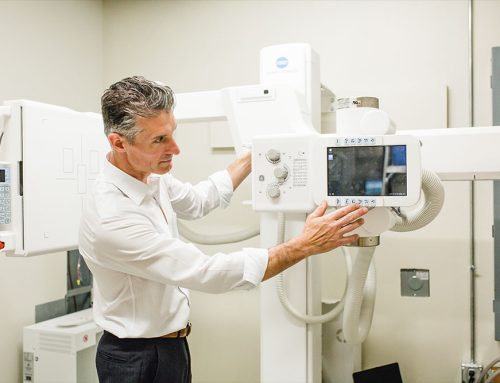
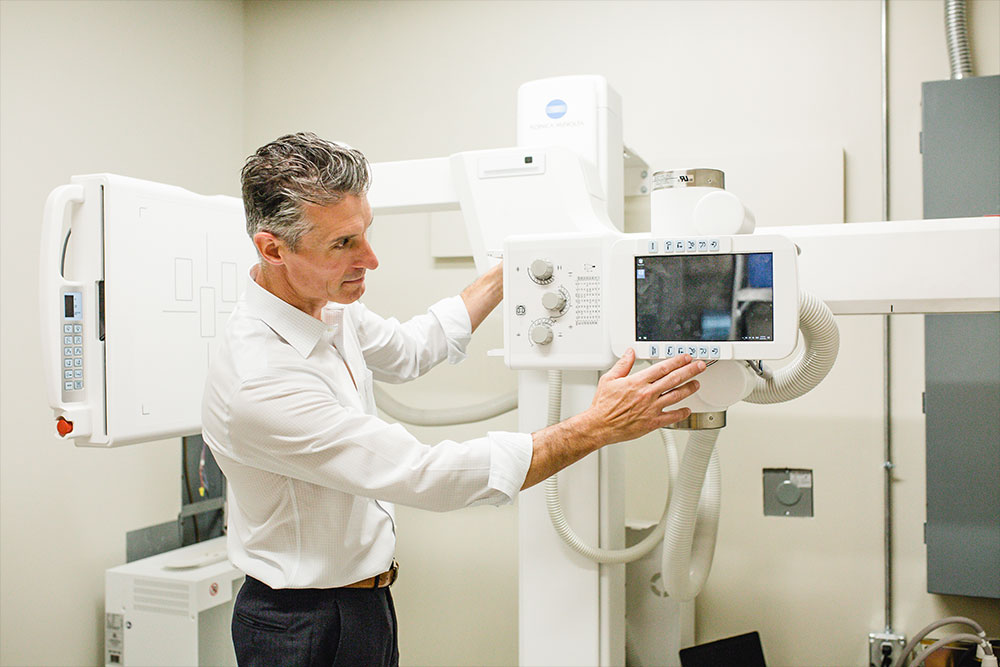
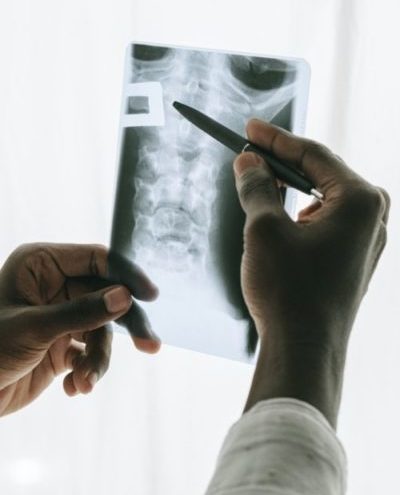
Making an informed decision requires comprehensive diagnostic evaluations—think MRIs or X-rays—to thoroughly identify whether surgical intervention is genuinely necessary and what specific condition exists at play within your spine. Engaging in detailed discussions with multiple specialists can illuminate varied perspectives and treatment approaches you might not have initially considered.
The Surgical Procedure: What to Expect
Understanding the signs that may indicate the need for lower back spine surgery is crucial for timely intervention. Recognizing these symptoms can help you address potential issues before they escalate.
Key Signs to Watch For
Persistent pain is a significant indicator. If you’re experiencing ongoing discomfort despite attempting conservative treatments, it might be time to consult a specialist.
Additional Warning Signs:
- Sciatica and Severe Leg Pain: These symptoms can suggest nerve compression.
- Numbness or Weakness in Extremities: This often signals potential nerve damage that requires prompt attention.
Difficulty in Daily Activities
When spine disorders interfere with basic tasks like walking or sitting comfortably, surgical options should be considered. If daily activities become increasingly challenging, this could indicate a more serious underlying condition.
Imagine driving a car with a broken axle; something dangerous will inevitably occur.
Importance of Medical Consultation
If you’re experiencing any of these signs, consulting with a healthcare professional is essential. They can conduct essential diagnostic tests, like MRIs and X-rays, to precisely assess your spine’s condition and determine if surgery is necessary.
Transitioning from understanding symptoms to preparing for the next medical steps helps ensure that individuals are well-equipped to handle their treatment journey effectively, including what lies ahead in terms of recovery tasks and postoperative care.
Recovery and Post-Surgery Care
Initial Recovery Phase
In the days immediately following your surgery, it’s essential to embrace rest and limit physical activity to allow your body to heal properly. Though tempting, returning to your routine may hinder your recovery.
Pain management during this phase typically involves a combination of prescribed medications along with ice packs. The cool sensation from the ice packs helps reduce swelling—just remember not to apply them directly to the skin; wrapping them in a cloth can prevent frostbite and enhance comfort. Your doctor might provide specific recommendations on how frequently to use these pain relief methods, which can vary based on individual circumstances.
Physical Therapy Integration
Once you begin feeling up to it, usually within the first week, physical therapy (PT) becomes a critical part of your recovery protocol. Engaging in PT early can empower you to regain mobility and strength more quickly.
As noted by John, a 50-year-old office worker recovering from similar surgery, “Though painful initially, PT empowered me to get back to my daily routine faster.” This aspect of recovery fosters not just physical rehabilitation but also mental resilience as you witness your progress over time. Expect initial sessions to focus on gentle movements that will help restore flexibility before advancing to strengthening exercises.
Long-Term Care and Monitoring
Following the initial recovery and ongoing physical therapy, long-term care includes routine monitoring and follow-ups with your surgeon or primary care doctor. These check-ins are vital for addressing any complications that arise during recovery.
Incorporating lifestyle changes such as weight management strategies and ergonomic adjustments in your home or workspace can significantly contribute to lasting benefits. A healthy weight minimizes strain on your spine, while proper ergonomics help maintain excellent posture and alleviate pressure on your back.
For personalized guidance regarding lower back spine surgery and post-surgical care, please visit us at Dr. Daniel Possley. Call us at 303-673-1390 for direct consultation or support.


Leave A Comment