


Gardening should be a relaxing pastime, yet every time you bend down to plant flowers or pull weeds, the persistent ache in your back reminds you of your limitations. Chronic back pain can transform enjoyable activities into sources of frustration and discomfort. This unsettling reality leaves many wondering if there’s a definitive solution.
An orthopedic spine surgeon holds specialized knowledge that can help navigate the complexities of spinal conditions that lead to chronic back pain. Using advanced tools like MRI and CT scans alongside physical evaluations, these experts pinpoint the root causes of pain. By tailoring treatments to each patient’s unique needs—from non-invasive therapies to surgical solutions—orthopedic spine surgeons aim to restore function and reduce discomfort, enabling individuals to return confidently to their cherished activities.
An orthopedic spine surgeon specializes in diagnosing and treating conditions related to the spine, which can significantly alleviate chronic back pain. They utilize a range of treatment options, from non-surgical methods such as physical therapy and medication to surgical interventions like lumbar spinal fusion and laminectomy, tailored to each patient’s specific needs for optimal recovery outcomes.
Expertise of an Orthopedic Spine Surgeon
Orthopedic spine surgeons are uniquely qualified professionals who focus on spinal health. Their expertise encompasses both the diagnosis and treatment of spinal conditions. These specialists undergo extensive training—often completing a minimum of 14 years in education and practical experience—enabling them to master both surgical and non-surgical techniques vital for managing complex spine issues.
One primary focus of these surgeons is degenerative disc diseases, which can lead to painful conditions like herniated discs and spinal stenosis. Over time, intervertebral discs can wear down, causing discomfort and reduced mobility. This specialization means that orthopedic spine surgeons have hands-on experience with advanced diagnostic tools, such as MRIs and CT scans, allowing them to assess underlying problems accurately. The precise understanding gained during their training helps these surgeons pinpoint the exact causes of back pain—information crucial for developing a comprehensive treatment strategy.
Furthermore, over 30 million visits occur annually to orthopedic surgeons, emphasizing the prevalence of spine-related issues in our society. This statistic highlights the demand for their services and reinforces that orthopedic spine surgeons continuously encounter various cases, ultimately gaining valuable insights that further enhance their expertise. These experiences contribute to a nuanced understanding of what works best for patients suffering from various forms of back pain.
With advances in technology and techniques available today, these specialists are often at the forefront of new treatments, including minimally invasive surgeries powered by robotic assistance. Such innovations increase patient safety and promote quicker recoveries compared to traditional methods. Therefore, when you seek help from an orthopedic spine surgeon, you’re not just benefiting from their knowledge but leveraging cutting-edge practices designed for optimal outcomes.
Understanding these specialists’ roles lays a solid foundation for exploring how specific conditions affecting the spine are diagnosed, which can help further inform available treatment paths.
Diagnosing Spine Conditions
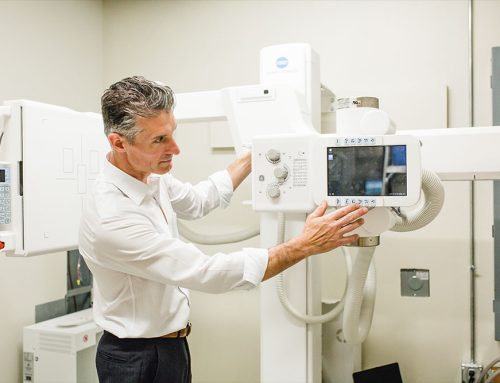
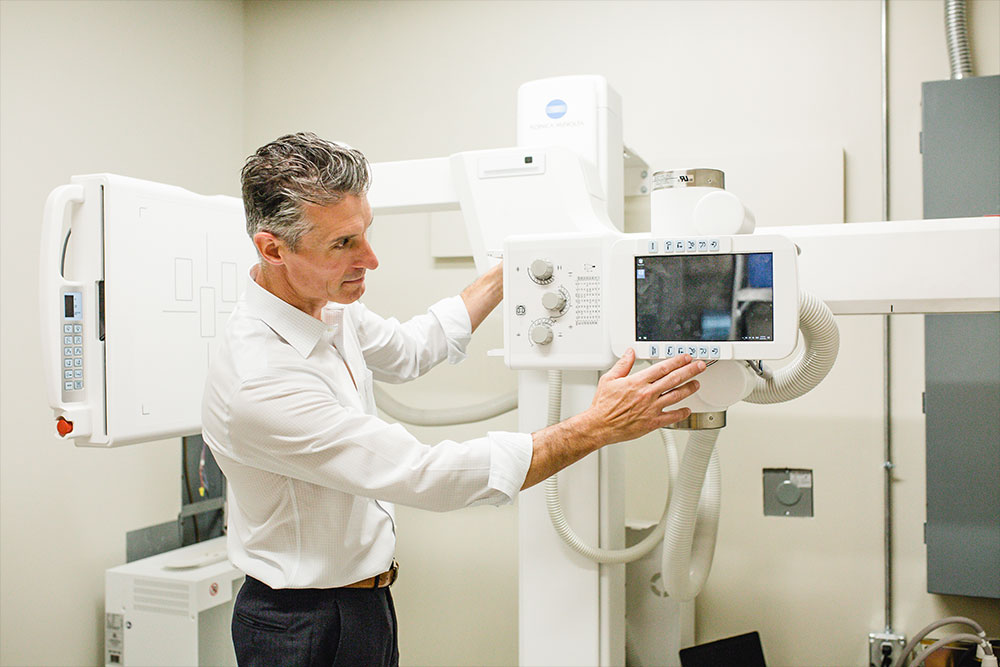
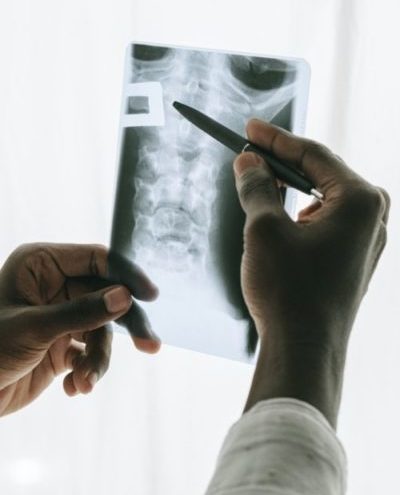
Accurate diagnosis is the cornerstone of effective treatment for chronic back pain. Orthopedic spine surgeons utilize a combination of advanced diagnostic tools and techniques to assess the condition of your spine thoroughly. From traditional imaging tests like X-rays to more sophisticated options such as MRI (Magnetic Resonance Imaging) and CT (Computed Tomography) scans, these methods provide invaluable insights into the internal structure of your spine.
Each test serves a specific purpose, allowing the surgeon to pinpoint the exact problem area and understand its underlying cause. For example, while X-rays can reveal bone structures and alignment issues, MRIs provide detailed images of soft tissues, including muscles, nerves, and discs.
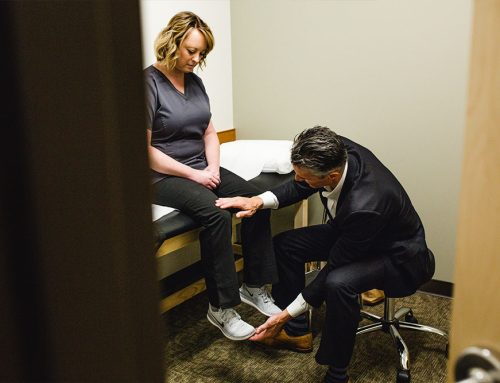
Moreover, diagnostic processes do not end with imaging alone. Physical examinations play a crucial role in assessing the functional impact of any detected conditions. During a physical exam, the surgeon evaluates your posture, range of motion, and reflexes, along with performing tests that gauge strength and sensitivity in various parts of your body. Alongside this examination, your medical history is scrutinized; information on previous injuries or conditions can shed light on how they may influence your current state.
This multifaceted approach ensures that every aspect of your spinal health is taken into account before deciding on a course of action. As Dr. Sarah Kim eloquently puts it, “An MRI can reveal a herniated disc, but understanding the patient’s pain history helps us see how it impacts their everyday life.” This emphasizes that an effective diagnosis is not just about identifying physical anomalies but comprehensively considering how these conditions affect daily living.
By employing these diverse diagnostic methodologies, orthopedic spine surgeons can develop tailored treatment plans that cater specifically to each patient’s needs. It transforms the diagnosis from an isolated problem into a full narrative that encompasses your individual experiences and symptoms. This thorough evaluation creates a foundation for a successful treatment strategy aimed at managing chronic back pain effectively. Regular communication with your healthcare provider about any changes in symptoms and ongoing assessment of treatment effectiveness will further enhance your recovery journey.
The intricate process of diagnosing spine conditions sets the stage for exploring various avenues to alleviate pain and improve mobility.
Non-Surgical Treatments
Not every spine issue requires going under the knife; in fact, many patients can achieve significant relief through various non-invasive methods. These approaches not only target the pain itself but also address the root cause, fostering overall spinal health and function. The key is to tailor these treatments specifically to your individual needs, emphasizing the role of healthcare providers in guiding you through this process.
Common Non-Surgical Treatments
- Physical Therapy: This is often the cornerstone of non-surgical care. Trained professionals design specific exercises that strengthen muscles surrounding the spine. The goal is to enhance flexibility and stability while simultaneously reducing pain. A consistent physical therapy regimen can help patients regain mobility and avoid future flare-ups.
- Medication: Anti-inflammatory medications play a significant role in alleviating pain and swelling. Other medications, like muscle relaxants or over-the-counter pain relievers, can further relieve discomfort. It’s crucial to consult a physician before starting any medication, as they can guide appropriate use and monitor for side effects.
- Epidural Steroid Injections: For those battling severe inflammation causing debilitating pain, these injections can be beneficial. By delivering steroids directly to the inflamed area, they effectively reduce swelling and provide quick relief, allowing patients to engage more fully in their physical therapy.
- Chiropractic Care: While chiropractic adjustments aim to realign the spine for improved function and reduced pain, this should always be undertaken with medical supervision. Collaborating with both a chiropractor and an orthopedic specialist ensures that adjustments are safe and effective within your whole treatment plan.
Investigating these avenues empowers patients to manage chronic back pain while maintaining functionality and quality of life without the need for surgical interventions. As we move forward, we’ll shed light on when surgical options might become necessary to address persistent issues.
Surgical Interventions
When conservative methods have not provided relief, orthopedic spine surgeons can recommend several surgical procedures tailored to specific spinal conditions. Each type of surgery aims not only to alleviate pain but also to restore functionality and improve the overall quality of life.
Types of Surgery
Among the most frequently recommended procedures are:
- Lumbar Spinal Fusion: This technique fuses two or more vertebrae to create stability, beneficial for conditions like scoliosis or degenerative disc disease. The fusion process can significantly reduce pain by limiting motion at the painful segment of the spine, allowing for a more stable environment as your body heals.
- Laminectomy: Aimed primarily at relieving pressure on the spinal cord or nerves, this surgery entails removing portions of the vertebral bone known as lamina. While laminectomies can be highly effective on their own, they are often performed in conjunction with spinal fusion for enhanced stability and long-term success.
- Disc Replacement: In contrast to fusion, which limits movement, artificial disc replacement maintains it. This procedure replaces damaged intervertebral discs with artificial components, potentially enhancing mobility while alleviating pain. Patients often find this option is less restrictive and allows for a quicker return to daily activities compared to traditional spinal fusion.
Choosing to undergo surgery is never easy. It’s crucial to have open conversations with your orthopedic surgeon about risks, benefits, and what to expect post-op. The decision should be made collaboratively, ensuring you understand all implications and postoperative plans geared towards your successful recovery.
Understanding these surgical options empowers patients facing chronic back pain as they seek solutions alongside their healthcare teams. Equipped with knowledge, individuals can navigate their treatment journey effectively while exploring tailored approaches designed specifically for their needs.
Personalized Treatment Plans
Tailoring treatment plans to individual needs is integral to effective care. Each person presents with unique factors—ranging from age and activity level to lifestyle choices and the severity of their condition. Orthopedic spine surgeons conduct thorough assessments, evaluating these elements to select the most appropriate treatment path. This process ensures that no two plans are the same, maximizing the chances of recovery and improving overall outcomes.
Comprehensive treatment plans often combine both non-surgical and surgical approaches. For instance, a patient suffering from chronic back pain may initially respond well to physical therapy, which can help improve strength and mobility without invasive procedures. However, if symptoms do not alleviate over time, surgery may become necessary. The advantage of this adaptable strategy lies in its ability to customize care based on how the patient’s condition evolves, ensuring they receive interventions at each critical stage.
Moreover, detailed monitoring throughout the treatment journey allows for ongoing adjustments, enhancing effectiveness.
An essential aspect of personalized treatment plans involves regular follow-ups. Surgeons typically schedule these appointments every four to six weeks to review a patient’s progress and modify plans as needed. This flexibility empowers patients by offering them the possibility to pivot depending on their response to treatment.
Encouraging open communication between patients and surgeons leads to better decision-making about their care journey. Questions about symptoms, side effects of medications, or doubts about physical therapy exercises should be addressed freely during consultations. By fostering this dialogue, patients feel more involved in their recovery process, leading to improved satisfaction and adherence to their personalized plan.
As we explore further, understanding the next steps following medical intervention will clarify how best to navigate your recovery and pain management journey.
Post-Treatment Recovery and Pain Management
Recovery is a crucial phase, but it requires proper management for optimal results. It’s more than just letting time pass; it’s a proactive approach to healing.
First and foremost, participating in rehabilitation programs tailored specifically to your needs can play a significant role in regaining strength and mobility. These programs not only ensure that the spine heals correctly but also incorporate exercises designed to stabilize the back, helping you return to daily activities.
As you embark on this recovery journey, implementing pain management techniques becomes vital. These might include medication prescribed by your orthopedic spine surgeon but extend well beyond that. Lifestyle modifications, such as adjusting your posture during everyday activities or engaging in gentle stretches, can notably alleviate discomfort. Additionally, minimally invasive procedures like nerve blocks provide targeted relief for persistent pain, allowing you to engage more fully in your rehabilitation.
As you transition to mid-recovery, physical therapy becomes increasingly vital; through carefully guided exercises, you work toward strengthening your core and enhancing mobility.
During the late recovery stage, regular activity is encouraged to complete the healing process and facilitate a return to daily life. However, it remains essential to be mindful of your body’s signals; pushing too hard can lead to setbacks that hamper progress.
Thus, having thorough recovery plans in place isn’t merely about looking forward but rather about establishing a sustainable foundation for long-term success and preventing any potential relapses in pain or discomfort.
For personalized care and effective management of chronic back pain, reach out today, visit Dr. Possley, or call us at 303-673-1390.


Leave A Comment